An important client meeting is approaching, visitors are expected shortly, and someone notices a stain on the reception floor. It might be a coffee spill beside the front desk, muddy marks near the entrance or a dark patch on the carpet where people have been walking.
The first instinct is often to scrub the mark or reach for whichever cleaning product is nearby. That can make the situation worse. Some stains spread when rubbed, certain products leave residue, and excess moisture can damage flooring or create a slip hazard.
The best immediate response is to identify the flooring material, remove any excess spill safely and choose a cleaning method appropriate for the surface. You may be able to improve a fresh mark before the meeting, although an older stain or permanent discolouration may require more work.
This guide explains what to do in the first few minutes, how to approach different flooring materials and when it is better to arrange professional assistance.
What Should You Do First When You Notice a Reception Floor Stain?
Before treating the stain, make sure the area is safe for staff and visitors. A wet entrance or freshly treated floor can create a greater immediate problem than the original mark.
Follow these steps in order.
1. Make the Area Safe
If the spill is wet, place a suitable warning sign or temporarily redirect foot traffic. Keep people away from the affected area while you assess and clean it.
If the spill involves an unknown chemical, a potentially hazardous substance or a material that requires special handling, do not touch it without the appropriate procedures and protective equipment.
2. Identify the Flooring Material
Look at the floor before applying any product. Carpet, ceramic tile, vinyl, natural stone and polished timber respond differently to moisture and cleaning agents.
If you are unsure what the surface is made from, check the building maintenance information or ask the property manager. Avoid testing an unfamiliar chemical in a visible location.
3. Remove Excess Liquid or Loose Material
For a fresh liquid spill, gently blot with a clean, absorbent cloth if the material is suitable for that surface. For a solid spill, lift away the material carefully without grinding it into the floor.
On a hard floor, collect the liquid using an appropriate cloth or absorbent material. Do not spread it across a wider area.
4. Use a Suitable Cleaning Method
Choose a method intended for the flooring material and the likely source of the stain. Follow the product label and any manufacturer instructions.
If the stain does not improve after a cautious initial attempt, stop rather than repeatedly applying stronger products.
5. Dry and Recheck the Area
Remove excess moisture using a suitable method and allow the floor to dry. Check that there is no slippery residue, visible streaking or remaining moisture before allowing visitors to walk through the area.
Important: A fresh stain may become less noticeable quickly, but not every mark can be completely removed before a meeting. Protecting the floor and keeping the entrance safe should come first.
How to Handle Different Types of Reception Floor Stains
The source of the stain affects the cleaning method. A coffee spill, muddy footprint and greasy mark should not automatically receive the same treatment.
Coffee and Tea Spills
Coffee and tea can leave visible brown marks, especially on light-coloured carpet. If the spill is fresh, remove excess liquid promptly by blotting with a clean cloth rather than rubbing.
For carpet, work carefully from the outside of the mark towards the centre to avoid spreading it. Use only a suitable carpet-cleaning product, following its label and the carpet manufacturer's guidance.
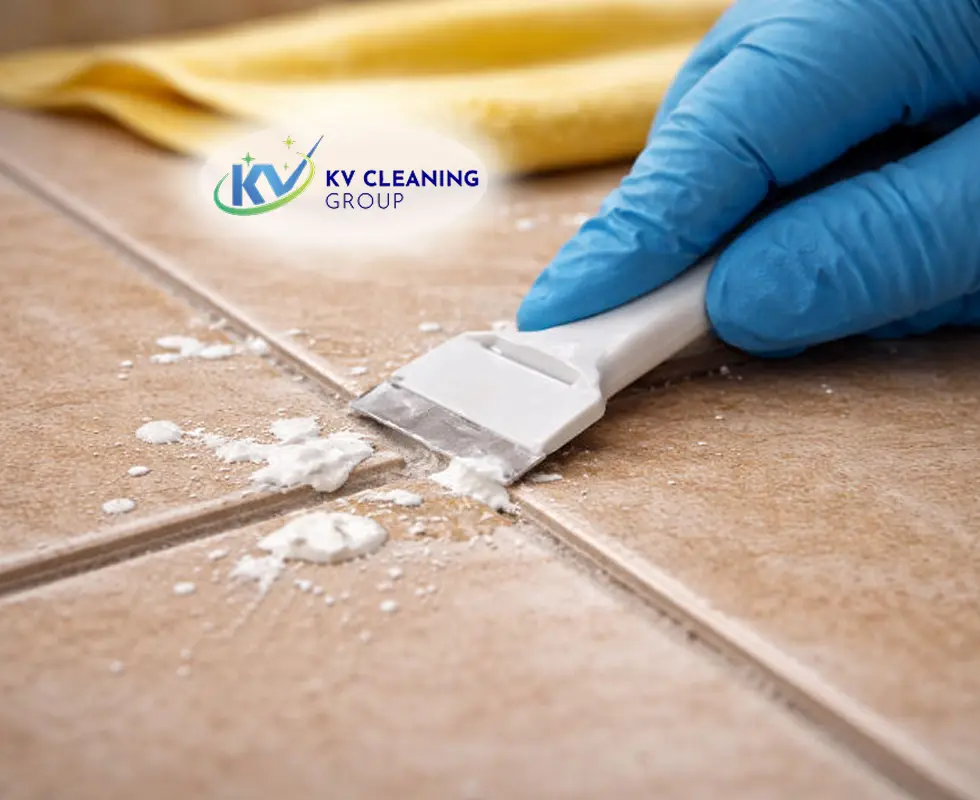
On hard flooring, remove the liquid without flooding the surface. Pay attention to grout lines, seams and edges where residue can collect.
If the mark remains after a suitable initial treatment, avoid repeatedly wetting the area. The stain may need a more targeted treatment.
Muddy Footprints Near the Entrance
Mud is common around reception entrances, particularly when visitors carry dirt in from outside.
If the mud is still wet, avoid spreading it across the floor. Remove excess material carefully and use a suitable cleaning method for the surface.
If the mud has dried on a hard floor, gently lift away loose material before cleaning the remaining marks. On carpet, allow loose mud to dry where appropriate, then remove the dry soil carefully before considering a suitable spot treatment.
Aggressive brushing can damage carpet fibres or spread the soil into a larger area.
Food and Grease Marks
Food spills and greasy marks can leave a slippery film on hard flooring. This is especially important in reception areas where visitors may walk directly over the affected spot.
First, remove excess material using an appropriate absorbent cloth. Use a floor-safe cleaning product intended for the particular surface, then remove any remaining residue according to the product instructions.
Do not use an unsuitable degreaser on polished stone, timber or coated flooring. A product that works on one surface may dull or damage another.
Ink and Coloured Marks
Ink, marker and strongly coloured liquids can be difficult to remove because some dyes bond with or permanently alter flooring materials.
Avoid immediately applying alcohol, bleach, solvents or other aggressive products. These can damage finishes, spread the colour or create a larger discoloured patch.
Check the surface manufacturer's guidance and use a product specifically suitable for the material. If the mark is prominent and the meeting is imminent, it may be better to protect the area and arrange appropriate treatment afterwards.
Scuff Marks from Shoes and Furniture
Not every dark mark is a stain. Some marks on hard flooring are rubber transfer or surface scuffs, while dark patches on carpet may be caused by embedded dirt or wear.
Inspect the mark before choosing a treatment. Use a surface-appropriate method and avoid abrasive pads that could scratch a finish.
If the colour of the floor itself has changed, cleaning may not restore its original appearance.
Carpet, Tile or Timber: Which Approach Is Safest?
The right treatment depends on the material, its finish and the condition of the stain.
Carpet and Carpet Tiles
- Blot fresh liquid spills rather than rubbing them.
- Avoid soaking the backing or underlay.
- Test a suitable product in an inconspicuous area according to its instructions.
- Do not allow repeated foot traffic over a damp spot.
- Recognise that old stains, dye changes and damaged fibres may not be reversible.
Carpet tiles may also have adhesive or backing systems that are sensitive to excess moisture. Follow the manufacturer's cleaning guidance.
Ceramic and Porcelain Tiles
- Remove liquid and loose debris first.
- Use a compatible floor-cleaning product.
- Avoid leaving cleaning solution on the surface longer than directed.
- Check grout lines for retained residue.
- Dry the area thoroughly before reopening it to visitors.
Some tiles have textured finishes that retain dirt more readily than smooth surfaces. The cleaning method should suit the tile and grout.
Vinyl and Resilient Flooring
- Use a cleaner approved for the flooring type.
- Avoid abrasive tools that may scratch the surface.
- Do not flood seams or edges.
- Remove detergent residue as directed.
- Dry the area and check for any remaining slipperiness.
Certain solvents and strong chemicals can damage protective coatings or change the appearance of vinyl flooring.
Natural Stone and Polished Floors
Marble, limestone and other natural stone surfaces may react badly to acidic cleaners. Polished finishes can also be affected by abrasive products or inappropriate chemicals.
Use a cleaner approved for the specific stone and finish. If the stain is persistent, seek advice before trying a stronger product.
Timber and Laminate
Avoid excess water, steam or harsh chemicals unless the flooring manufacturer specifically permits them. Moisture can affect joints, coatings and the material beneath the surface.
Use a suitable cloth and approved cleaning product, then dry the area promptly.
What If the Meeting Starts in 10 Minutes?
When time is limited, concentrate on the steps that improve presentation without creating another problem.
First few minutes: Make the area safe, identify the flooring and remove excess spill or loose debris.
Next few minutes: Apply a suitable surface-specific treatment if appropriate. Follow the product instructions and avoid trying several products in quick succession.
Before visitors arrive: Remove residue, dry the area as far as the approved method allows and check that the surface is safe to walk on.
If the stain cannot be removed safely in the available time, keep the area protected and consider whether the visitor route can be adjusted. Do not cover a wet floor with a mat or place furniture over a damp carpet in a way that traps moisture or creates a trip hazard.
For a persistent stain, arrange a more thorough assessment after the meeting rather than risking permanent damage in a rush.
Mistakes That Can Make a Floor Stain Worse
Quick cleaning is useful only when it is appropriate for the surface. Avoid these common mistakes:
Scrubbing aggressively: This can push contamination deeper into carpet fibres, damage the pile or scratch a hard-floor finish.
Using too much water: Excess moisture can spread the mark, affect floor adhesives or damage moisture-sensitive materials.
Mixing cleaning products: Never combine products unless the manufacturer explicitly confirms that doing so is safe. Mixing chemicals can release hazardous gases or cause dangerous reactions.
Using a product meant for another surface: A carpet treatment may not be suitable for polished stone, timber or vinyl.
Ignoring the drying process: A floor that looks clean but remains wet can create a slip hazard.
Repeating treatment without assessing the stain: If the mark persists, the cause may be deeper contamination, a dye change or damage to the floor finish rather than removable surface dirt.
If a cleaning product causes unexpected fumes, irritation or a reaction, stop using it, keep people away from the area and follow the product safety instructions.
For workplace chemical safety, consult the official Safe Work NSW guidance: https://www.safework.nsw.gov.au/hazards-a-z/hazardous-chemical
When Should You Arrange Professional Floor Cleaning?
A professional assessment is worth considering when the stain remains visible after an appropriate initial treatment, covers a large area or involves a delicate or expensive flooring material.
It can also help when:
- The stain has been present for a long time.
- Previous cleaning attempts have left a ring or discoloured patch.
- The carpet becomes visibly dirty again after drying.
- Several stains appear across a high-traffic reception area.
- The source of the stain is unknown.
- The flooring manufacturer recommends a specialist method.
Professional treatment should begin with an assessment of the surface, stain, previous cleaning attempts and access requirements. The appropriate method may involve targeted spot treatment, a more comprehensive carpet-cleaning process or specialist care for hard flooring.
No responsible cleaning provider should guarantee that every stain can be removed. Some marks cause permanent dye changes, fibre damage or deterioration of the floor finish.
Preventing Reception Floor Stains Before the Next Meeting
A small amount of preparation can reduce the likelihood of a visible floor problem becoming urgent.
Keep an Appropriate Spill Kit Available
Maintain clean absorbent cloths, suitable disposable materials, the correct warning sign and approved cleaning products in an accessible location. Staff should know which products are suitable for the flooring in the reception area.
Check the Entrance Before Important Visits
Inspect the entrance, reception floor and visitor route before scheduled meetings. Look for muddy footprints, beverage spills, scuff marks and moisture carried in from outside.
Use Entrance Mats Where Suitable
A suitable entrance mat can capture some dirt and moisture before it reaches the main reception floor. Check that the mat is secured, maintained and appropriate for the entrance so it does not introduce a trip hazard.
Schedule Maintenance Around Actual Use
Reception floors with frequent visitor traffic may require more attention than rooms used occasionally. Review the cleaning frequency based on the type of flooring, level of use and recurring marks rather than applying the same schedule everywhere.
Record Recurring Problems
If stains repeatedly appear in the same location, note their source if known, the surface affected and the cleaning method used. This can help identify whether the problem comes from regular spills, outside dirt, unsuitable products or a maintenance issue.
How KV Cleaning Group Can Help
KV Cleaning Group provides commercial cleaning services across Sydney, including office and carpet cleaning options for business premises.
For reception areas, the appropriate service depends on the floor material, the size of the affected area, the type of stain and the time available before the space must return to use.
A suitable cleaning plan can distinguish between routine maintenance and specialist stain treatment. It should also account for access, drying time and the need to keep visitors away from any area that is still wet.
If a reception floor continues to look marked despite routine cleaning, an assessment can help determine whether targeted treatment or a broader maintenance approach is appropriate.
Final Thoughts
A visible reception floor stain shortly before an important meeting can be frustrating, but rushing to use a strong cleaner is rarely the best first move.
Make the area safe, identify the flooring, remove excess spill carefully and use only a method appropriate for that surface. Allow the floor to dry properly and do not promise a complete result when the stain may have permanently altered the material.
If the mark remains, arrange a more suitable treatment after the meeting. A clear response process and regular inspection of visitor areas can also help businesses manage similar situations more calmly in the future.