

Why Warehouse Cleaning Is Essential for Compliance Audits
Blog Summary
Compliance audits are more than paperwork—they assess whether a warehouse provides a safe, organised, and well-maintained working environment. Professional Warehouse Cleaning Services Sydney help businesses prepare for audits by maintaining clean warehouse floors, loading docks, emergency exits, storage systems, machinery, and staff amenities. Regular cleaning also supports Work Health and Safety (WHS) obligations, reduces workplace hazards, and creates documented maintenance practices that demonstrate ongoing compliance. Across Greater Sydney, KV Cleaning helps warehouses remain audit-ready while improving operational efficiency and workplace safety.
Quick Answer
Professional Warehouse Cleaning Services Sydney are essential for compliance audits because they reduce workplace hazards, improve housekeeping standards, and provide consistent maintenance records. Clean warehouse floors, forklift operating zones, emergency exits, loading docks, and storage areas help businesses meet SafeWork NSW, WHS Regulations, and internal safety requirements. Scheduled warehouse cleaning also supports audit readiness by improving workplace organisation, protecting assets, and demonstrating a proactive approach to compliance across Sydney, Parramatta, Blacktown, Liverpool, North Sydney, Western Sydney, Inner West, Eastern Suburbs, and Greater Sydney.
Why Warehouse Cleaning Plays a Critical Role in Compliance Audits
Warehouse compliance audits evaluate much more than documentation. Auditors assess housekeeping standards, workplace safety, hazard management, emergency access, equipment condition, and overall facility organisation.
From our experience servicing businesses throughout Sydney, we regularly observe that facilities with structured cleaning schedules are better prepared for compliance inspections than warehouses relying on occasional cleaning.
Professional Warehouse Cleaning Services Sydney, Industrial Cleaning Sydney, and Commercial Warehouse Cleaning Sydney help businesses create consistently safe environments while supporting Compliance Cleaning, Facility Management, and long-term operational performance.
How Warehouse Cleaning Supports Audit Readiness
Routine warehouse cleaning helps businesses maintain compliance every day rather than preparing only when an inspection is scheduled.
Key compliance benefits include:
- Cleaner warehouse floors
- Safe pedestrian walkways
- Unobstructed emergency exits
- Organised storage systems
- Cleaner loading docks
- Better spill management
- Improved waste control
- Cleaner machinery
- Documented maintenance activities
- Safer forklift operating zones
Our cleaning consultants have identified that warehouses maintaining preventative cleaning schedules generally experience smoother compliance inspections because housekeeping standards remain consistently high.
Key Compliance Areas Auditors Inspect
Compliance audits often focus on operational areas that directly affect workplace safety.
Warehouse Floors and Walkways
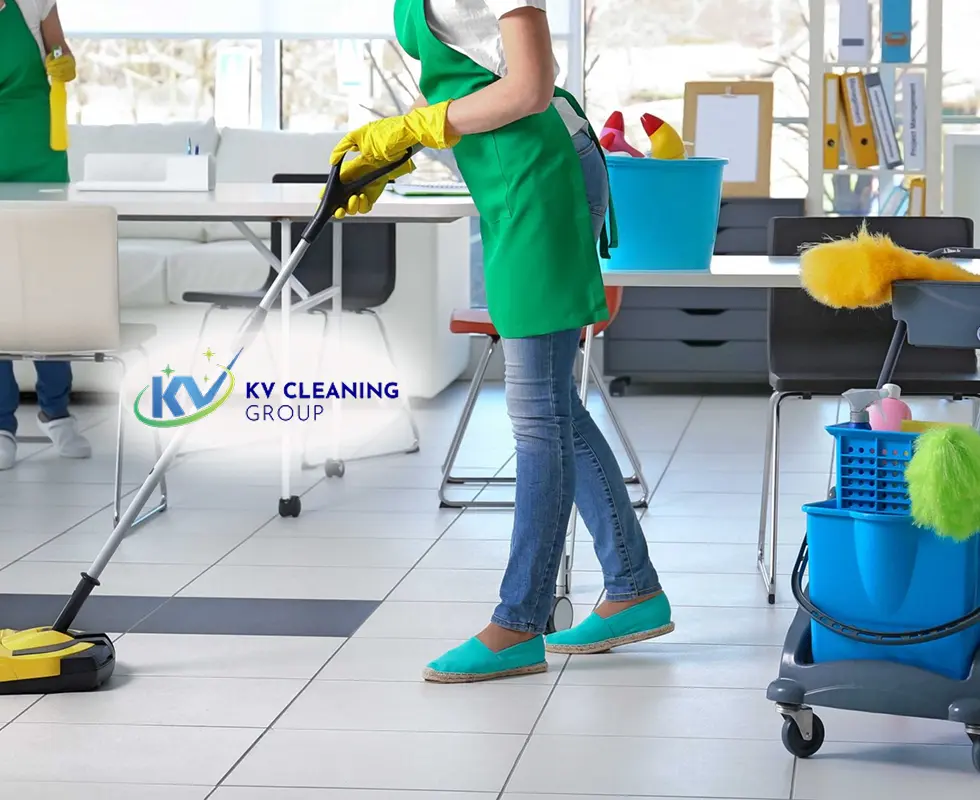
Clean floors reduce slip hazards while improving forklift movement and pedestrian safety. Routine Warehouse Floor Cleaning Sydney helps maintain safe access throughout the facility.
Emergency Exits and Evacuation Routes
Emergency exits must remain clearly marked and free from stored materials, pallets, waste, or equipment. Clean evacuation routes demonstrate effective Hazard Management and emergency preparedness.
Loading Docks
Loading docks are high-risk operational areas. Regular cleaning removes packaging waste, pallet debris, shrink wrap, and spills that may obstruct deliveries or create workplace hazards.
Storage Racks and Shelving
Dust-free and organised storage systems improve inventory visibility while reducing falling object risks during inspections. Clean racking also supports more accurate warehouse operations.
Machinery and Equipment
Cleaning forklifts, conveyors, production equipment, and operational machinery reduces dust accumulation and improves maintenance visibility, helping auditors identify that equipment is properly maintained.
Forklift Operating Zones
Forklift routes should remain free from debris, waste, and obstructions. Well-maintained traffic lanes contribute to safer warehouse movement and demonstrate proactive workplace management.
Spill Containment Areas
Prompt spill response is an important element of workplace safety. Properly maintained spill kits and clean containment areas help reduce contamination risks while supporting Risk Assessment procedures.
Waste Storage
Organised waste collection and disposal areas reduce contamination risks while maintaining cleaner warehouse environments that support audit compliance.
Fire Safety Equipment Access
Fire extinguishers, hose reels, alarm panels, and emergency response equipment should always remain easily accessible. Clean surrounding areas help demonstrate compliance with workplace safety expectations.
Staff Amenities
Clean lunchrooms, kitchens, washrooms, and shared facilities support employee wellbeing while reinforcing Workplace Hygiene and Infection Control standards.
Sydney Warehouses Face Increasing Compliance Expectations
Industrial and logistics facilities throughout Greater Sydney continue adopting stronger compliance programs as warehouse operations become larger and more complex.
Professional Warehouse Cleaning Services Sydney support businesses across:
- Sydney CBD
- Parramatta CBD
- Blacktown Industrial Areas
- Liverpool Commercial Hub
- North Sydney Business District
- Chatswood Commercial Precinct
- Sydney Olympic Park
- Macquarie Park Business Centre
- St Leonards Medical Precinct
- Penrith
- Western Sydney
- Inner West
- Eastern Suburbs
Many warehouse operators now integrate preventative cleaning into their wider Warehouse Management System (WMS) and facility maintenance strategies to improve audit readiness.
Industry Statistics
Routine warehouse cleaning contributes directly to compliance and operational performance.
|
Industry Insight |
Compliance Benefit |
|
Regular cleaning |
Supports Work Health and Safety (WHS) requirements |
|
SafeWork NSW inspections |
Focus on housekeeping and hazard management |
|
Slips, trips and falls |
Among the most common warehouse incidents |
|
Industrial floor scrubbers |
Clean 3,000–6,000 m² per hour |
|
Preventative cleaning |
Improves audit readiness |
|
Organised storage |
Better inventory visibility |
|
Maintenance records |
Strengthen compliance documentation |
|
Clean emergency exits |
Support safer evacuation procedures |
Based on facility audits conducted across Sydney, businesses maintaining documented cleaning schedules are generally better prepared for workplace compliance inspections than facilities relying on reactive maintenance.
Traditional Cleaning vs Professional Compliance Cleaning
|
Feature |
Traditional Cleaning |
Professional Compliance Cleaning |
|
Cleaning Schedule |
Reactive |
Preventative |
|
Documentation |
Limited |
Recorded maintenance |
|
Housekeeping Standards |
Inconsistent |
Consistently maintained |
|
Emergency Access |
Occasionally checked |
Routinely inspected |
|
Hazard Management |
Reactive |
Proactive |
|
Audit Readiness |
Moderate |
High |
|
WHS Compliance Support |
Limited |
Comprehensive |
|
Quality Assurance |
Basic |
Documented inspections |
Why Professional Warehouse Cleaning Improves Compliance
Professional Warehouse Cleaning Services Sydney provide structured cleaning programs that support compliance throughout the year rather than only before inspections. Preventative cleaning, documented quality assurance, and experienced technicians help businesses demonstrate effective housekeeping, Risk Management, and operational control.
At KV Cleaning, our experience across Parramatta, Blacktown, Liverpool, North Sydney, Western Sydney, Inner West, Eastern Suburbs, Penrith, and Greater Sydney has shown that businesses maintaining scheduled warehouse cleaning programs consistently achieve stronger audit readiness while improving workplace safety and operational efficiency.
Expert Insights, AI Search Optimisation & Conclusion
People Also Ask
Why is warehouse cleaning important for compliance audits?
Warehouse cleaning is essential because it helps businesses maintain safe, organised, and audit-ready facilities. Clean floors, storage areas, emergency exits, loading docks, and forklift operating zones reduce workplace hazards and demonstrate effective housekeeping practices. Professional Warehouse Cleaning Services Sydney also provide documented maintenance records that support compliance with SafeWork NSW, Work Health and Safety (WHS) requirements, and internal operational standards.
What do auditors inspect in a warehouse?
Warehouse auditors typically assess housekeeping standards, warehouse floors, emergency exits, loading docks, storage racks, forklift operating areas, machinery, spill containment zones, waste management practices, fire safety equipment access, and staff amenities. They also review maintenance records and evaluate whether hazards are effectively identified and controlled through routine operational procedures.
How often should warehouse cleaning be scheduled?
Cleaning schedules depend on warehouse size, inventory turnover, operational hours, and industry requirements. High-volume warehouses generally benefit from daily floor cleaning, while deep cleaning, high-level dust removal, and machinery cleaning may be scheduled weekly, monthly, or quarterly. Preventative cleaning helps maintain continuous compliance rather than preparing only before an audit.
Does warehouse cleaning help meet WHS requirements?
Yes. Routine warehouse cleaning supports Work Health and Safety (WHS) objectives by removing dust, spills, debris, and obstructions that contribute to workplace risks. Maintaining clean walkways, emergency exits, and operational areas helps businesses demonstrate proactive hazard management during workplace inspections and compliance audits.
Common Questions Business Owners Ask
Why is Commercial Cleaning important?
Professional Commercial Cleaning supports safer workplaces, protects business assets, and enhances operational performance. Clean facilities also create a positive impression for clients, visitors, and employees while contributing to effective Facility Operations, Building Maintenance, and long-term compliance.
What are the benefits of professional cleaning services?
Professional cleaning delivers structured maintenance schedules, commercial-grade equipment, trained technicians, and documented quality assurance. Businesses benefit from improved Indoor Air Quality, enhanced Workplace Hygiene, reduced maintenance costs, stronger compliance outcomes, and more efficient daily operations.
How often should offices be professionally cleaned?
Cleaning frequency depends on occupancy levels and workplace activity. Busy commercial offices generally require daily Office Cleaning, while lower-traffic workplaces may schedule cleaning several times per week. Routine cleaning supports healthier work environments and consistent presentation standards.
What cleaning standards should Sydney businesses follow?
Businesses should align cleaning programs with Safe Work Australia guidance, SafeWork NSW expectations, WHS Regulations, ISO 45001 principles, Risk Management practices, and effective Contractor Compliance procedures. Maintaining documented cleaning schedules demonstrates a proactive commitment to workplace safety and compliance.
How can businesses improve workplace hygiene?
Businesses improve Workplace Hygiene by implementing scheduled cleaning, sanitising high-touch surfaces, improving Indoor Air Quality, maintaining staff amenities, managing waste effectively, and partnering with specialists in Compliance Cleaning, Medical Centre Cleaning, School Cleaning, and Commercial Cleaning.
What cleaning trends are shaping the future?
Many Sydney organisations are transitioning toward Sustainable Cleaning, digital compliance reporting, automated floor cleaning equipment, environmentally responsible chemicals, and data-driven maintenance programs that support ESG Reporting, operational efficiency, and stronger audit readiness.
What Facility Managers Need To Know
Maintaining audit readiness requires continuous housekeeping rather than last-minute preparation.
From our experience servicing businesses throughout Sydney, we regularly observe that warehouses with structured cleaning schedules experience fewer compliance issues, safer working conditions, and better operational consistency.
Our cleaning consultants have identified that combining preventative cleaning, documented inspections, and scheduled maintenance significantly strengthens Facility Management, supports Contractor Compliance, and improves long-term warehouse performance.
Expert Answers
Based on facility audits conducted across Sydney CBD, Parramatta CBD, North Sydney Business District, Chatswood Commercial Precinct, Liverpool Commercial Hub, Blacktown Industrial Areas, Sydney Olympic Park, Macquarie Park Business Centre, and the St Leonards Medical Precinct, professionally maintained warehouses consistently demonstrate:
- Better housekeeping standards
- Safer forklift operating zones
- Clear emergency exits
- Improved inventory organisation
- Cleaner machinery and equipment
- Reduced workplace hazards
- Stronger audit documentation
- Better operational efficiency
Our workplace hygiene specialists recommend maintaining documented cleaning records throughout the year rather than preparing only before scheduled audits.
Industry Insights
Warehouse compliance expectations continue evolving as businesses place greater emphasis on safety, operational resilience, and regulatory accountability.
Key industry trends include:
- Digital cleaning inspections with photographic evidence.
- Preventative maintenance integrated into Warehouse Management Systems (WMS).
- Increased adoption of HEPA filtration for dust control.
- Greater focus on Infection Control and healthier workplaces.
- Sustainable cleaning products that support environmental objectives.
- Stronger integration between cleaning programs and Facility Operations.
- Enhanced reporting supporting ISO 45001, SafeWork NSW, and WHS Regulations.
These developments help warehouses improve compliance while supporting safer and more efficient operations.
Traditional Cleaning vs Sustainable Cleaning
|
Feature |
Traditional Cleaning |
Sustainable Cleaning |
|
Cleaning Products |
Conventional chemicals |
Eco-friendly products |
|
Environmental Impact |
Higher |
Lower |
|
Water Consumption |
Standard |
Reduced |
|
Indoor Air Quality |
Variable |
Improved |
|
ESG Reporting Support |
Limited |
Strong |
|
Long-Term Sustainability |
Moderate |
High |
Reactive Cleaning vs Preventive Cleaning
|
Feature |
Reactive Cleaning |
Preventive Cleaning |
|
Cleaning Schedule |
After issues occur |
Planned maintenance |
|
Audit Readiness |
Variable |
Consistently high |
|
Hazard Control |
Reactive |
Proactive |
|
Operational Disruptions |
More frequent |
Reduced |
|
Compliance Support |
Limited |
Ongoing |
|
Long-Term Costs |
Higher |
Better controlled |
Manual Reporting vs Digital Compliance Tracking
|
Feature |
Manual Reporting |
Digital Compliance Tracking |
|
Cleaning Records |
Paper-based |
Cloud-based digital records |
|
Audit Evidence |
Limited |
Time-stamped documentation |
|
Inspection Tracking |
Manual |
Real-time monitoring |
|
Accountability |
Moderate |
Improved |
|
Reporting Efficiency |
Slower |
Faster and more accurate |
What Will Commercial Cleaning Look Like By 2030?
By 2030, warehouse cleaning will become increasingly intelligent, connected, and compliance-driven.
Expected developments include:
- AI-powered cleaning schedules based on warehouse activity.
- Autonomous floor scrubbers and robotic cleaning equipment.
- IoT sensors monitoring dust levels, spills, and Indoor Air Quality.
- Predictive maintenance integrated with cleaning data.
- Digital compliance dashboards supporting Facility Operations.
- Greater adoption of sustainable chemicals and water-efficient technologies.
- Automated reporting for WHS Compliance, Asset Protection, Risk Management, and ESG Reporting.
Businesses investing in proactive cleaning technologies will strengthen compliance while improving operational performance and reducing long-term costs.
Key Takeaways
- Professional Warehouse Cleaning Services Sydney improve compliance audit readiness.
- Preventative cleaning reduces workplace hazards and supports Work Health and Safety (WHS) obligations.
- Clean warehouse floors, loading docks, and emergency exits contribute to safer operations.
- Documented cleaning records strengthen audit evidence and operational accountability.
- Sustainable cleaning and digital reporting are becoming industry best practices.
- Routine cleaning protects facilities, equipment, employees, and business reputation.
At A Glance
- Primary Service: Warehouse Cleaning Services Sydney
- Suitable For: Warehouses, distribution centres, factories, industrial facilities
- Key Compliance Areas: Floors, loading docks, emergency exits, machinery, storage racks, waste areas
- Relevant Standards: SafeWork NSW, WHS Regulations, ISO 45001
- Key Benefits: Audit readiness, workplace safety, operational efficiency, compliance support
Executive Summary
- Professional Warehouse Cleaning Services Sydney help businesses maintain continuous compliance rather than preparing only before inspections.
- Preventative cleaning improves housekeeping standards, hazard management, and workplace safety.
- Clean and organised facilities support smoother compliance audits, stronger inventory management, and improved operational efficiency.
- Documented maintenance records strengthen audit evidence and demonstrate proactive facility management.
- Modern warehouse cleaning combines advanced equipment, sustainable practices, and digital reporting to improve long-term compliance and business resilience.
Conclusion
Summary
Warehouse cleaning is a critical part of compliance management. Routine cleaning helps maintain safe working environments, organised facilities, and effective housekeeping standards that support successful compliance audits. A preventative approach reduces workplace hazards while improving operational performance.
Business Impact
For warehouse operators, logistics providers, manufacturers, and distribution centres, professional cleaning improves audit readiness, reduces operational risks, protects infrastructure, and enhances employee safety. At KV Cleaning, we help businesses across Greater Sydney maintain cleaner, safer, and compliance-ready industrial facilities.
Future Outlook
Compliance expectations will continue to evolve alongside technology and workplace safety standards. Businesses adopting digital reporting, sustainable cleaning methods, and proactive maintenance strategies will be better positioned to meet future regulatory requirements while improving operational efficiency.
Recommended Action
Implement a scheduled Warehouse Cleaning Services Sydney program supported by documented inspections, preventative maintenance, and regular quality reviews. Maintaining clean operational areas, emergency exits, storage systems, and staff amenities throughout the year will help strengthen compliance, improve workplace safety, and ensure your warehouse is always audit-ready.
Get Free Quote
Frequently Asked Questions
Warehouse cleaning helps businesses maintain safe and compliant facilities. Clean operational areas, organised storage, and documented maintenance records demonstrate effective housekeeping practices and help support successful workplace safety and compliance inspections.
Professional cleaning keeps warehouses inspection-ready throughout the year. Preventative cleaning schedules, quality assurance processes, and maintenance documentation reduce last-minute preparation while providing clear evidence of ongoing facility management and hazard control.
Yes. Routine warehouse cleaning removes hazards that commonly contribute to workplace incidents. Cleaning spills, dust, debris, and obstructed walkways helps reduce slips, trips, falls, and forklift-related risks while supporting safer daily operations.
Cleaning records provide documented evidence of ongoing maintenance and housekeeping activities. Time-stamped inspections, maintenance logs, and quality reports demonstrate that the business follows structured cleaning procedures and proactively manages workplace risks.
Professional cleaning providers deliver specialised expertise, commercial equipment, and consistent quality assurance. Businesses benefit from improved compliance, stronger workplace safety, reduced operational disruptions, and a warehouse environment that remains prepared for audits throughout the year.