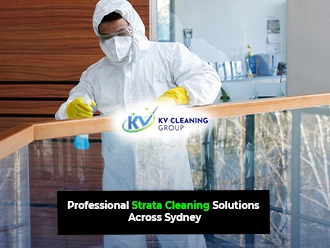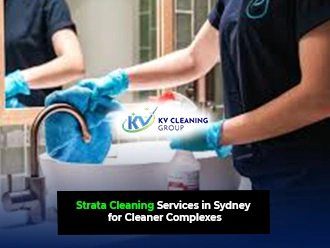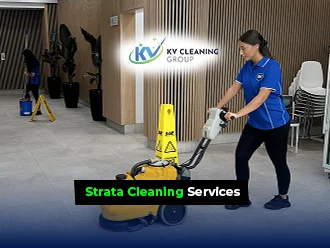
KV Cleaning Group provides Strata Cleaning Sydney services for strata managers, owners corporations, building managers and property representatives responsible for shared common property. A clear service scope identifies the entrances, foyers, lifts, corridors, stairwells, shared amenities and bin rooms that need attention, then records what is included on each visit.
The routine should fit the property rather than force every building into the same checklist. Number of levels, lift access, surface types, resident traffic, bin-room use, shared facilities and permitted cleaning hours all affect how a building is maintained. Our strata cleaning planning guide explains why clear task lists and realistic schedules matter.
For committees comparing Strata Cleaning Services Sydney, the useful questions are practical: which areas are cleaned every visit, what is periodic, who reports a maintenance issue, how access is arranged and how missed tasks are raised. The agreed scope should make those expectations clear before regular cleaning starts.
This service page focuses on agreed shared property. Cleaning inside individual apartments, private balconies, high-level external windows, repairs, gardening, pest control and specialist hazardous-material work are not automatically included unless separately assessed and written into the scope.
Shared areas show different cleaning needs. Entrances collect grit and moisture, lift doors attract fingerprints, handrails are touched throughout the day, and bin rooms can develop residue or odour if the cleaning routine does not match their use. Corridors, stairwells and amenities should therefore be assessed separately.
A useful program separates routine work from periodic tasks and gives each area a clear frequency. Floors and visible touchpoints may need attention on regular visits, while detailed glass, carpet maintenance or stubborn build-up can be scheduled separately where the property needs it. For broader building upkeep considerations, see our guide to facility cleaning for property care.
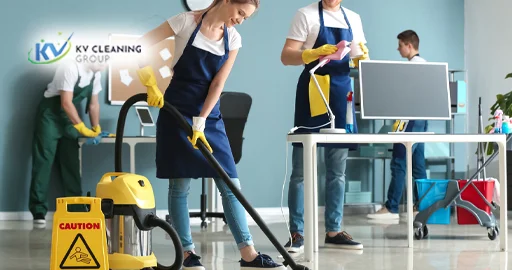
Our strata cleaning services cover the common property areas listed in the agreed scope. Tasks are planned around the building layout, surface types, resident traffic, access rules and preferred service window so strata managers can understand what is included and what may require a separate visit. If the building also needs cleaning inside a separately managed office tenancy, review our office cleaning service for that distinct scope.
Entrances, foyers, lobbies, corridors, hallways and stairwells can be included in the agreed common-area checklist, with attention adjusted to the surface and foot traffic.
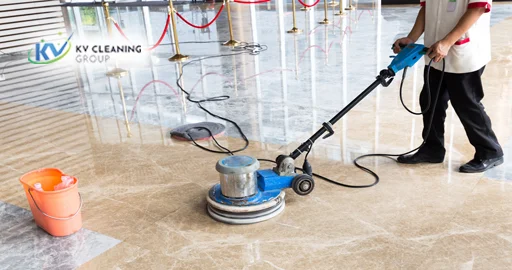
Sweeping, vacuuming and mopping can manage everyday dust and tracked-in soil. The method should suit the floor finish, slip risk and level of traffic.
Shared washrooms and amenities can be included in the agreed scope, with attention to surfaces and frequently used areas.
Entry doors, mirrors and accessible internal glass can be included where agreed. For specialist or high-level work, see the window cleaning service.
Courtyards, walkways, entrances and other agreed shared outdoor areas can be included in the cleaning program.
Bin rooms and waste areas receive routine attention to help manage dirt, residue and unpleasant build-up.
An apartment complex with one lobby and a lift has a different workload from a multi-building scheme with several entrances, stairwells, basement access points and shared amenities. Strata Property Cleaning Sydney should reflect the rooms and routes people actually use, the condition of the surfaces, resident traffic and the access arrangements approved by the owners corporation. The same area-by-area thinking also applies to wider property management cleaning decisions.
Before confirming the program, identify the number of buildings and levels, entrances, lifts, main common areas, floor finishes, bin-room requirements, access restrictions and periodic tasks. For body corporate cleaning in Sydney, the owners corporation or strata manager should clarify which shared spaces are included and how access is approved. These details are more useful for planning than choosing a package by building size alone.
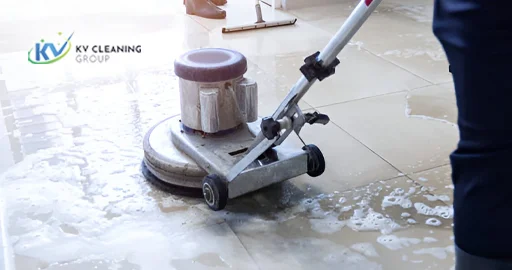
A quotation is easier to prepare when the common-area floor area is considered alongside levels, lifts, entrances, bin rooms and car-park access. The ranges below are illustrative planning examples—not official building classifications, local market averages, fixed prices or promised labour hours.
A compact scheme might have one main entry, a foyer, one stairwell or lift lobby and a bin room. The scope still needs to list the tasks and visit frequency rather than assume every small site has the same needs.
A medium-sized example may include several levels, corridors, lift surrounds, shared amenities or more than one entrance. A zone-by-zone checklist can prevent busy areas being treated the same as rarely used ones.
A larger or multi-building property may need coordinated access, a planned route, separate periodic tasks and a clearer review process. Basement car parks, external paths and high-level glass should be assessed as specific work items.
When asking for a quote, share the approximate common-area area (for example 350 m², 900 m² or 2,000 m²), number of levels and lifts, count of entrances and stairwells, bin-room arrangements, car-park access and preferred cleaning frequency. The figures are examples to help explain the scope; they are not measurements of a specific Sydney building.
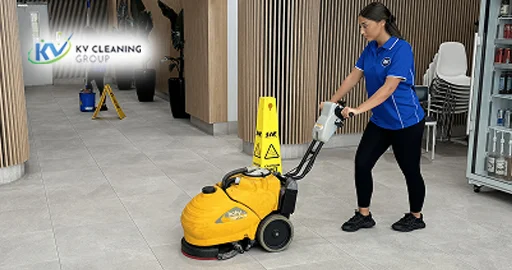
A clear scope and schedule help strata managers compare the agreed service with the work completed. KV Cleaning Group works with property representatives to identify the common areas, expected visit frequency, access arrangements and any tasks that should be scheduled separately.
With more than 22 years of industry experience, we plan the service around the property's layout, common areas and operating requirements. The most useful scope states which areas are included, how often they are cleaned and how changes or missed items should be reported.
KV Cleaning Group publishes the following company-wide figures. They describe the broader operation, not strata-only contract results, and should be rechecked against current company records before publication.
Shared properties require consideration for residents, visitors, access points and building activity. The agreed work plan should address wet-floor risks, access control, restricted spaces and how maintenance issues are communicated. Insurance, training and certification should be confirmed with current documents rather than inferred from general marketing statements.
For broader commercial cleaning requirements outside strata common areas, see our commercial cleaning services.
Cleaning services supported by public liability insurance.
Cleaning products selected with practical environmental considerations.
Established procedures are followed during routine cleaning work.
Quality checks help maintain consistent service delivery.
The right cleaning liquid depends on the surface and the type of soil. Stronger chemicals are not automatically better; a compatible product, correct dilution, appropriate contact time and safe work method are more important.
May suit routine care of compatible sealed tile, vinyl and other finished flooring. The cleaner and method must match the floor manufacturer's guidance and the slip risk after cleaning.
Used on compatible entry glass, mirrors and lift panels to reduce fingerprints and residue. Avoid abrasive tools or products that can scratch or damage protective finishes.
Selected according to the fixture, surface and soil. Mineral deposits, soap residue and general soil may need different approaches, and acidic products are unsuitable for some materials.
May help with compatible greasy residue in designated service or bin-room areas. Confirm surface compatibility, dilution and rinsing requirements before use.
Use only where the task calls for disinfection and the product label supports that use. Follow the specified concentration and contact time; routine cleaning alone should not be described as disinfection.
Keep chemicals labelled and stored as directed, follow the relevant safety data sheet (SDS), and never mix incompatible products. Read Safe Work Australia's safety data sheet guidance for workplace chemical-safety information.
Before work starts, tell the cleaning provider about natural stone, coated surfaces, stainless-steel finishes, unusual spills or areas with specific manufacturer instructions. A cleaning liquid should not be chosen by its name alone; surface compatibility and the task determine the appropriate method.
The process establishes a clear scope and leaves room to review the program when the building's use, facilities or requirements change.
A site assessment helps identify where cleaning is needed most. Before the program is set, we consider traffic, shared areas and how people move through the property.
We review entrances, lift areas, corridors, stairwells and other shared spaces to identify high-traffic points and areas that need regular attention.
We consider the property's layout, shared facilities, access arrangements and agreed requirements so the service fits the building.
Cleaning frequency depends on resident traffic, the shared facilities, floor surfaces, bin-room use, visitor access and the standard expected by the owners corporation. When comparing a Strata Cleaning Company Sydney or different Strata Cleaning Contractors Sydney, ask each provider to price the same written scope: common areas, number of visits, periodic tasks, access assumptions and exclusions. A smaller building with constant movement may need more attention than a larger property with lightly used common areas.
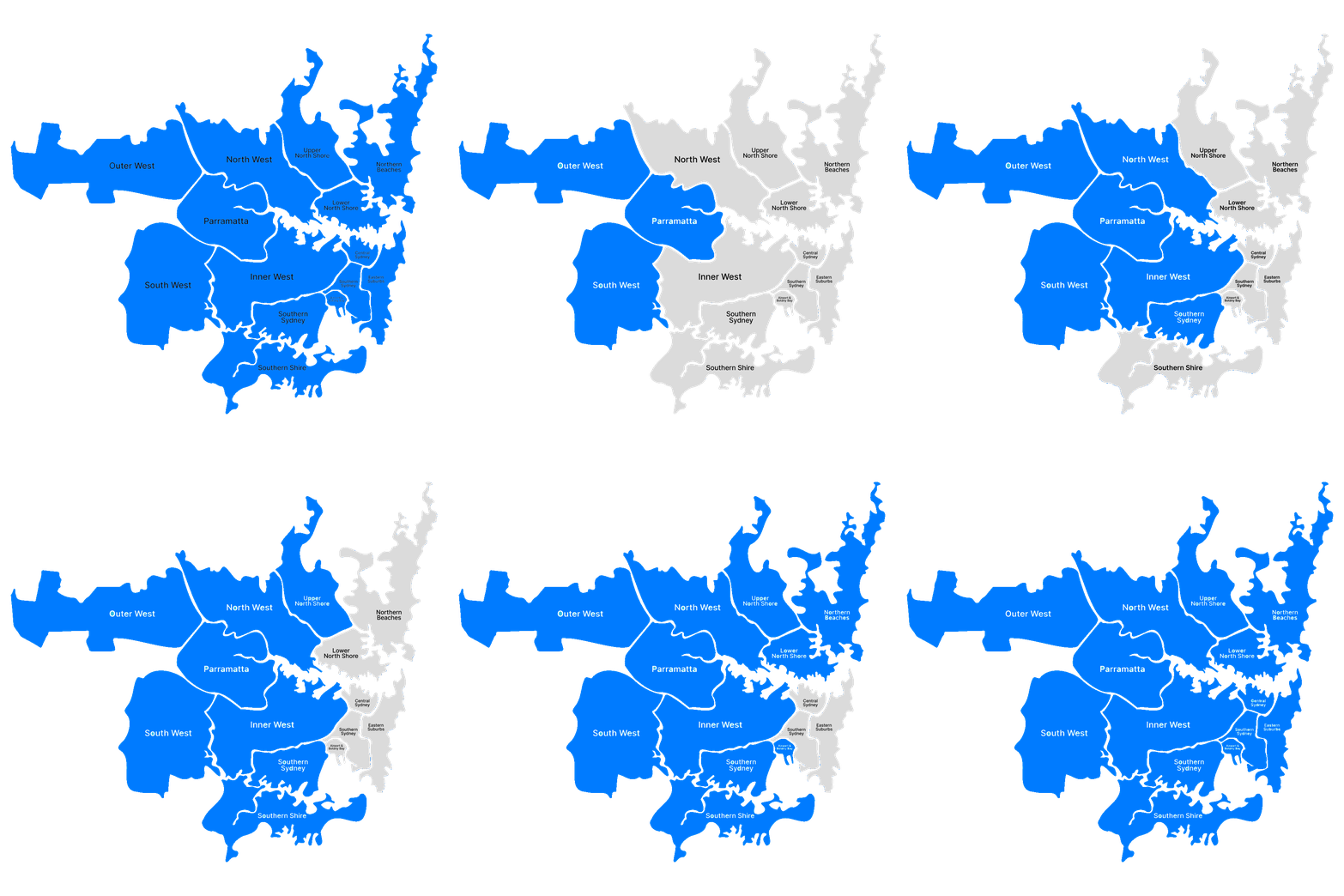




Depending on the agreed scope, cleaning can include entrances, foyers, lobbies, corridors, stairwells, lifts, shared amenities, accessible glass and bin rooms. The written scope should list included areas, visit frequency, periodic tasks and exclusions.
Frequency depends on resident and visitor traffic, levels, lifts, entrances, bin-room use, shared facilities and the condition expected. A site assessment helps set different frequencies for high-use and low-use areas.
The standard strata scope focuses on agreed shared common property. Cleaning inside individual apartments, private balconies or other lot areas is not automatically included and would need to be agreed as a separate scope.
Products should be chosen for the surface and type of soil. Suitable floor detergents, glass cleaners, washroom products and degreasers may be used where appropriate, following label directions, dilution and safety instructions. Incompatible chemicals should not be mixed.
Give each contractor the same details: approximate common-area floor area, number of levels and lifts, entrances and stairwells, bin rooms, shared amenities, visit frequency, access restrictions, periodic tasks, reporting expectations and exclusions. Compare the written scope as well as the price.
Whether you manage an apartment complex, mixed-use development or body corporate property, KV Cleaning Group can discuss the common areas, building access, preferred frequency and service expectations. Share the number of buildings or levels, key facilities and any recurring cleaning concerns so the team can assess the scope and prepare a more relevant quotation.
Speak with our team about your property, cleaning scope and preferred schedule.
KV Cleaning Group provides reliable commercial cleaning services for offices, warehouses, retail spaces, medical facilities and other workplaces across Sydney.
Our team works around your site requirements, cleaning schedule and access needs to help maintain a clean, safe and professional workplace. Contact us to discuss the right cleaning solution for your business.