

Post Construction Cleaning Trends for Builders
Blog Summary
The post-construction cleaning sector in the Greater Sydney Region is transitioning from basic debris removal to a precision-driven, technology-integrated service. Builders are increasingly adopting three-phase protocols, autonomous robotic cleaning, and IoT-enabled air quality monitoring to guarantee move-in readiness. As regulatory standards regarding silica dust and WHS compliance tighten, professional builders’ cleaning has evolved into a strategic risk-management function, essential for securing client satisfaction and protecting long-term project reputation.
Introduction: Elevating the Handover Experience
From our extensive experience servicing residential and commercial construction sites across Sydney—from the dense high-rises of North Sydney to new developments in Blacktown, Liverpool, and Parramatta—we have observed that construction site handover expectations are rising. Today, a "builders clean" is no longer just about sweeping floors; it is a critical final stage of the build that dictates the client’s first impression.
As a Commercial Cleaning Consultant and Compliance Professional, I advise my building partners that professional cleaning is a strategic business investment. In a market where customer satisfaction and reputation are paramount, the quality of your handover cleaning directly influences your referral rate and future project opportunities.
Why Industry Trends Matter More Than Ever
The construction sector is facing unprecedented changes that directly impact site management:
- Changing Expectations: Modern occupants demand hospital-grade hygiene and dust-free environments from the moment they receive their keys.
- Regulatory Pressures: Safe Work Australia principles, particularly concerning respirable crystalline silica, have made advanced dust management a legal and ethical mandate.
- Technology Disruption: Automated and data-driven solutions are no longer "futuristic"—they are being deployed now to save time and increase consistency.
- Competitive Advantage: Builders who deliver a "sparkling" handover consistently outperform those who leave residual trade mess or dust in HVAC systems.
The Evolution of Post-Construction Cleaning
- Past Approaches: Traditional "broom-and-mop" cleaning that often redistributed fine dust rather than removing it.
- Current Industry Standards: Use of H-Class HEPA vacuums, systematic top-to-bottom methodology, and detailed surface neutralisation.
- Future Direction: Fully autonomous, robot-assisted cleanups integrated with real-time air quality data that provides builders with verifiable proof of a safe, clean environment.
Key Drivers Behind Industry Change
- Compliance Accountability: The need to provide documentation and audit-ready proof that a site meets WHS health standards.
- Technological Advancement: Robotics and IoT sensors are filling the gap left by labour shortages, providing 24/7 consistency.
- Sustainability Governance: Procurement teams now mandate ESG-compliant cleaning, requiring eco-certified chemicals and carbon-conscious waste management.
- Workplace Health Priorities: Protecting the lungs of both site workers and incoming tenants from fine particulate matter is now a top-tier safety priority.
Top 10 Trends Shaping the Future of Post-Construction Cleaning
1. Autonomous Robotic Cleaning
- Overview: Deploying AI-powered floor scrubbers and vacuums.
- Why Emerging: Addresses labour shortages and ensures consistent performance across vast floor areas.
- Benefit: Robots work 24/7, freeing up human technicians for high-value detailing like fixture polishing.
2. IoT-Enabled Air Quality Monitoring
- Overview: Sensors that track dust particulates and humidity in real-time.
- Compliance Impact: Provides builders with data-driven proof that a site is safe for occupancy.
3. H-Class HEPA Dust Capture
- Overview: Mandatory use of H-Class industrial vacuums to capture silica and fine construction dust.
- Safety Benefit: Critical for preventing the redistribution of hazardous particles, ensuring compliance with strict Australian safety standards.
4. Three-Phase Handover Protocol
- Overview: A structured process of Rough Clean, Detailed Clean, and Final Touch-Up.
- Operational Advantage: Prevents the recontamination of spaces, ensuring the final "white-glove" presentation remains pristine.
5. Green Chemistry & Sustainability
- Overview: Switching to GECA-certified, low-VOC cleaning agents.
- ESG Impact: Aligns with green building certifications (like Green Star) and improves indoor air quality for new tenants.
6. Digital Compliance Dashboards
- Overview: Cloud-based portals that track every task, upload time-stamped photos, and store audit logs.
- Business Benefit: Eliminates "guesstimates" and disputes over handover quality.
7. Specialist Technician Certification
- Overview: Cleaning crews trained in specific material care—stone, timber, and high-end joinery.
- Financial Impact: Reduces the risk of damage to expensive finishes, preventing costly rework.
8. Precision HVAC Cleaning
- Overview: Deep vacuuming and filter replacement in ventilation systems.
- Future Outlook: Essential for modern HVAC efficiency and preventing dust from being blown into the property upon system start-up.
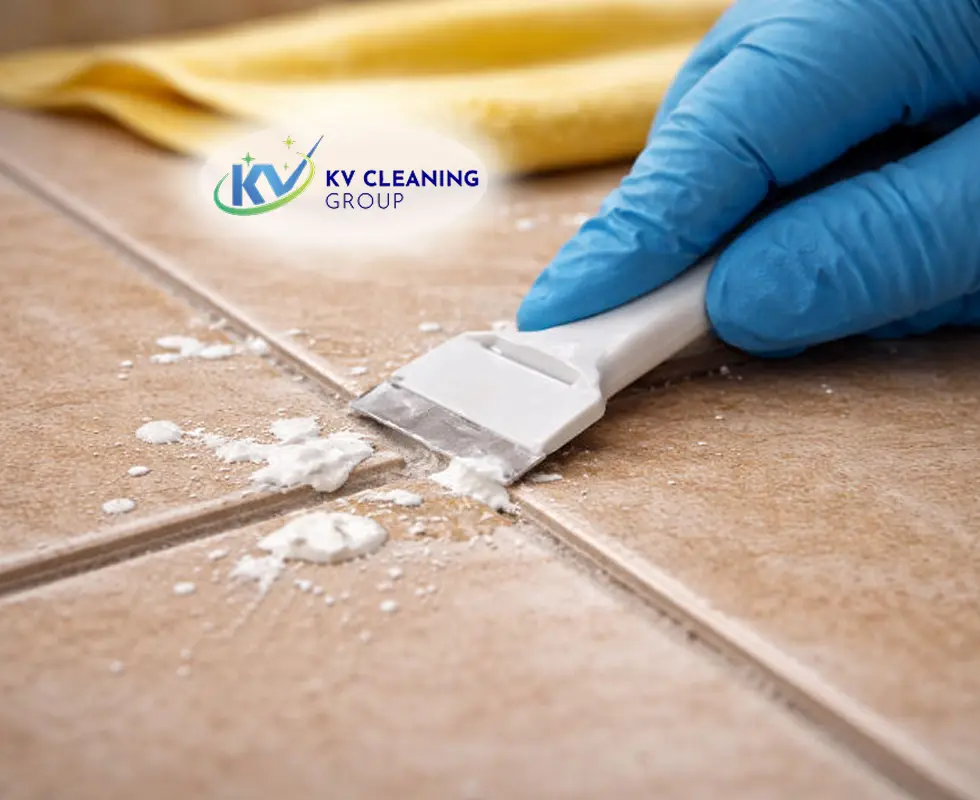
9. Grout Haze & Adhesive Removal
- Overview: The use of precise chemical balancing to strip construction films without damaging tile surfaces.
- Operational Benefit: Restores the "showroom shine" that is vital for buyer and client satisfaction.
10. Predictive Site Maintenance
- Overview: Using site activity logs to schedule cleans before messes reach a critical, costly mass.
- Risk Reduction: Lowers insurance liabilities related to site slips, trips, and hygiene failures.
Future Risks for Businesses That Fail to Adapt
- Compliance Failures: Failing to document silica dust removal can lead to legal complications under the WHS Act.
- Rising Operational Costs: Relying on manual labor without technological support leads to inefficiencies and higher site-hold costs.
- Client Dissatisfaction: Handing over a dusty or messy site creates "punch-list" delays and hurts your brand reputation.
- Competitive Disadvantage: Builders who provide a "verifiable clean" will consistently win tenders over those who do not.
Compliance Trends and Regulatory Developments
Construction handover cleaning is increasingly regulated:
- WHS Requirements: Adherence to Safe Work Australia principles is no longer voluntary; it is a mandatory part of site handover.
- Audit Preparation: Builders must provide evidence of clean-up, including H-Class vacuum certification and debris disposal logs.
- Documentation: Detailed logs and photo documentation are now the industry standard for commercial and large residential projects.
Technology Transforming Modern Cleaning Programs
- Robotics: Autonomous scrubbers handle large-scale cleaning.
- IoT Sensors: Real-time feedback on air quality and environmental cleanliness.
- Cloud Software: Real-time dashboards replace paper logs, enabling builders to see completion statuses from their office.
Sustainability and Environmental Trends
- Water Reduction: High-efficiency scrubbers reduce the volume of water needed for large projects.
- Chemical Reduction: Concentrated solutions and eco-friendly formulas reduce transport-related emissions and waste.
- ESG Reporting: We provide sustainability metrics that our builder clients include in their own project reports.
Sydney-Based Case Study: Commercial Office Handover in Parramatta
Client Background: A major commercial construction firm working on a premium office project in Parramatta.
Challenge: Repeated "snag" complaints regarding residual construction dust delaying the handover.
Trends Adopted: Implemented a three-phase protocol with H-Class HEPA dust extraction and a digital QA dashboard.
Operational Outcomes: All "punch-list" items were cleared 48 hours before the deadline. The client reported a 100% satisfaction rate on the final walkthrough, leading to a direct referral for the builder’s next project.
Expert Recommendations from KV Cleaning
- Adopt the Three-Phase Protocol: Never settle for a one-off "final clean." Build the Rough, Detail, and Final phases into your project timeline.
- Verify, Don’t Trust: Always use a provider who can provide photo documentation and, if necessary, air quality testing results.
- Think Like a Tenant: Conduct your walkthrough with the mindset of a buyer—if you see dust in a track, they will too.
Warning Signs Your Current Program Is Falling Behind
- Paper-based logs: If you don't have digital transparency, you are at risk of accountability gaps.
- Reactive maintenance: Cleaning is only done when a defect is logged.
- Inconsistent outcomes: Different sections of your site look like they were cleaned by different standards.
How Professional Cleaning Providers Future-Proof Facilities
- Technology Adoption: We invest in high-end equipment like H-Class vacuums so you don't have to carry that capital expense.
- Compliance Expertise: We manage WHS risks, ensuring your site remains compliant throughout the cleaning phases.
- Data-Driven Performance: We provide the reporting needed to keep your project managers informed and your clients happy.
Author's Pro Tip
Schedule a "Final Polish" 24 hours before handover. Construction sites are dynamic. Even after a deep clean, minor dust can settle. A final 24-hour touch-up ensures the site is literally sparkling for the moment the client turns the key.
Conclusion
The future of post-construction cleaning is defined by precision, technology, and documented compliance. For builders in Sydney, professional cleaning is the final safeguard of a project’s reputation. By embracing these trends, you ensure your handovers are not just clean, but demonstrably professional.
Call-To-Action
KV Cleaning is your expert partner in construction site management, providing Professional Builders Cleaning, Handover Cleaning, and Compliance Cleaning Services across the Greater Sydney Region.
Ready to future-proof your project handover?
- Request a Free Consultation
- Schedule a Detailed Site Assessment
- Get a Custom Handover-Readiness Proposal
Get Free Quote
Frequently Asked Questions
A rough clean removes bulk debris and waste post-trade activity. A final builders clean is a comprehensive, room-by-room detail, including fixture polishing, window tracking, and HVAC dust extraction, preparing the property for move-in.
It is the standard for capturing respirable crystalline silica and microscopic construction dust that standard domestic vacuums simply blow back into the air, causing health hazards for new occupants.
Yes, professional cleaners use specialised non-abrasive solvents and scrapers to remove paint splatters and silicone residue from delicate surfaces without damaging them.
By using autonomous robots and IoT scheduling, cleaning providers can cover more ground with higher consistency, reducing the time spent on-site and lowering the risk of expensive "re-clean" requests from clients.
We provide detailed digital logs, photo documentation, and certification of our cleaning procedures, which you can use as evidence for your project's WHS and handover compliance audits.