A few paint splashes can quickly become a frustrating problem in a commercial building. They may appear after a maintenance job, office repainting, shop refurbishment, equipment touch-up or a contractor's visit. Even small spots can stand out on polished floors, tiled entrances and otherwise clean workplace surfaces.
The challenge is that paint does not behave the same way on every floor. A fresh water-based paint mark on sealed tile may respond to a different approach from dried enamel on vinyl, a splash on natural stone or paint that has soaked into carpet fibres. Choosing the wrong removal method can leave a dull patch, scratch, discolouration or damaged coating that is more noticeable than the original mark.
The safest approach is to identify the paint and floor finish first, remove what can be lifted without damaging the surface, and use a suitable treatment only after testing it in an inconspicuous area.
This guide explains how businesses and facility managers can assess paint splashes, reduce the risk of floor damage and decide when professional cleaning is the better option.
Why Paint Splashes Need the Right Treatment
Paint is designed to adhere to a surface. Once it dries, removing it may require more than ordinary mopping. Some products form a flexible film; others harden into a tougher coating. Paint may also settle into grout lines, textured flooring, carpet fibres or small surface imperfections.
Three details make a difference:
- Paint type: Water-based acrylic or latex paint, oil-based paint and specialist coatings may need different removal methods.
- Floor material: Ceramic tile, vinyl, sealed concrete, natural stone, timber and carpet do not tolerate the same chemicals or tools.
- Condition of the mark: Fresh paint may be easier to lift gently. Dried paint can require controlled softening or specialist treatment.
A useful rule is to avoid treating an unidentified paint splash with a strong solvent or abrasive tool. A product that removes paint from one material may damage another.
What to Do First When You Find Paint on a Commercial Floor
1. Make the area safe
If paint is wet, the affected section may be slippery. Keep staff, visitors and customers away from the immediate area while you assess it. Use suitable warning signs or barriers, and make sure walkways and emergency exits remain accessible.
Do not spread the paint by walking through it or pushing a wet mop across the affected floor. If the spill is large, has an unknown chemical composition or creates strong fumes, stop work and follow your workplace's spill-management procedure.
2. Identify the paint, if possible
Ask the contractor or maintenance team what product was used. The paint container label or safety data sheet can help identify the appropriate handling precautions and cleaning instructions.
Do not assume that every paint labelled “water-based” can be removed safely with water alone. The floor finish, the age of the paint and any protective coating can all affect the result.
3. Remove excess paint without spreading it
For a small, fresh splash on a compatible hard floor, carefully lift the excess with a disposable absorbent material or a suitable non-abrasive tool. Work from the outside towards the centre to avoid spreading the mark.
Avoid pressing hard, scraping with a metal blade or rubbing aggressively. These actions can scratch a floor coating, force paint into a textured surface or leave a larger affected area.
If the paint has already dried, do not immediately chip it away. First establish what the floor is made of and whether the surface has a protective finish.
4. Test before applying a cleaner
Choose a hidden or inconspicuous spot and test the proposed method according to the product label and flooring manufacturer's guidance. Check for changes in colour, gloss, texture or surface finish before treating the visible mark.
Use only a method that is compatible with both the paint and the floor. Never mix cleaning chemicals, and do not improvise with paint thinner or other strong solvents.
5. Remove residue and leave the floor safe
Once the paint has been lifted using an appropriate method, remove any remaining cleaning residue as directed by the product instructions. Keep the area restricted until it is dry and safe to walk on.
Inspect the spot from different angles under normal lighting. A floor can look clean while still showing a dull patch, softened coating or colour change.
How to Deal With Paint on Different Commercial Flooring
Ceramic and porcelain tiles
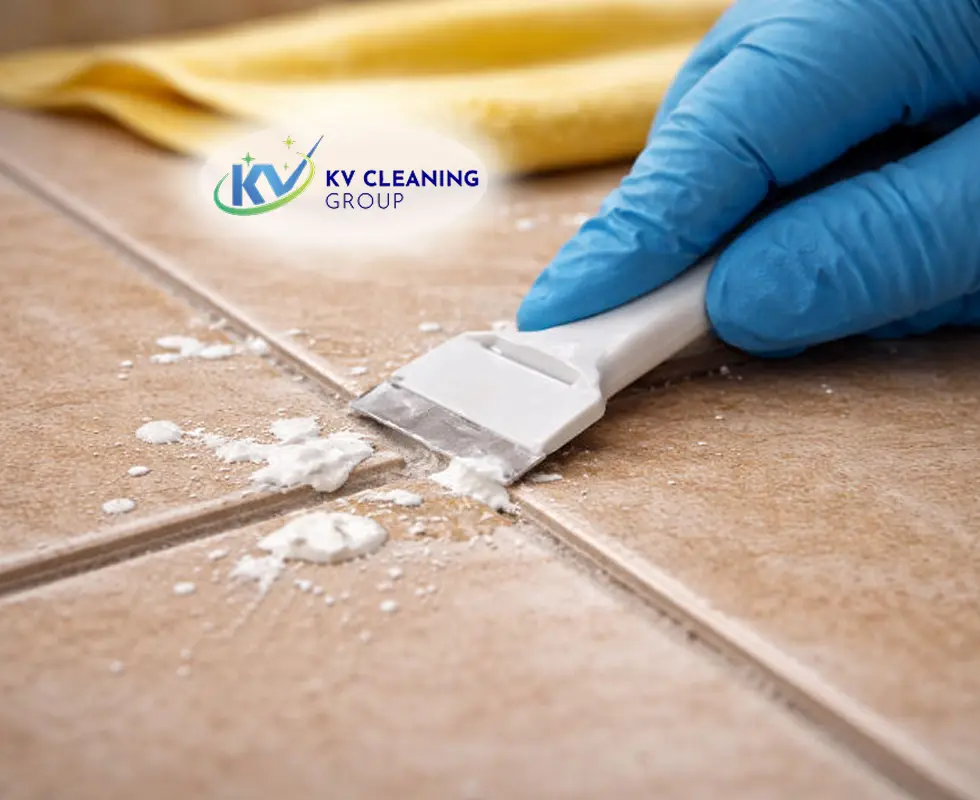
Glazed ceramic and porcelain tiles are often more resistant to surface cleaning than delicate finishes, but the grout between them can be more vulnerable. Fresh paint on the tile may be easier to lift than paint that has settled into grout lines or textured sections.
Start with a gentle, compatible approach. Avoid aggressive scraping that could chip the tile or damage the grout. If the floor has a special coating or anti-slip treatment, check the manufacturer's recommendations before using a chemical remover.
Vinyl and resilient flooring
Vinyl flooring can be affected by strong solvents, abrasive pads and sharp scraping tools. These may dull the finish, soften the material or leave a permanent mark.
Use the flooring manufacturer's approved cleaning guidance. Do not assume that a solvent safe for ceramic tile is also safe for vinyl. If dried paint remains firmly attached, a flooring specialist can assess the safest removal option.
Polished concrete and sealed floors
A paint spot on polished concrete may appear simple to remove, but the finish matters. The surface may be untreated, sealed, densified, polished or coated. A harsh chemical or abrasive method can create a patch that looks different from the surrounding floor.
Identify the surface treatment before attempting removal. Test any suitable cleaner in a discreet area, and avoid grinding or aggressive abrasion unless the work is assessed and performed by an appropriately equipped specialist.
Natural stone
Marble, limestone and other natural stones may react to acidic or unsuitable chemical products. Some finishes can also scratch or lose their sheen when scrubbed too hard.
Do not apply an unknown paint remover directly to natural stone. Check the stone supplier's care instructions or consult a stone-care professional, particularly when the affected area is prominent or the floor has a polished finish.
Timber and laminate
Timber floors and laminate surfaces may be damaged by excess moisture, scraping or solvents. Liquid can affect joints and edges, while an unsuitable product may change the sheen or finish.
Avoid soaking the area or using a sharp blade. Follow the manufacturer's maintenance guidance and seek specialist advice if the paint has hardened or the surface finish begins to change.
Commercial carpet and carpet tiles
Paint on carpet needs a different approach because it can attach to individual fibres and move deeper into the pile. Rubbing a fresh splash can spread the colour and push it further into the carpet.
Do not flood the area or apply a general-purpose solvent without checking compatibility. The type of paint, fibre and carpet backing all matter. For a large splash, dried paint or a high-visibility area, professional assessment is often safer than repeated home-style treatment.
For ongoing carpet care, see carpet cleaning services in Sydney.
Water-Based Paint vs Oil-Based Paint: Why It Matters
The label on the paint can help determine the next step, but it should not be the only consideration.
Water-based paint: Fresh marks may sometimes be managed with a carefully controlled, surface-compatible water-based method. However, excessive water can damage certain floors, and dried paint may not release easily.
Oil-based paint: These coatings may need a different removal product. Solvents can create risks for people and may damage flooring, sealants or coatings. Do not use them without confirming compatibility, reading the product instructions and following the relevant safety precautions.
Unknown or specialist coatings: Industrial coatings, floor paints and other specialist products may require specific treatment. If the product cannot be identified, avoid experimenting with increasingly strong chemicals.
SafeWork NSW reports that poor handling or storage of hazardous chemicals has been associated with more than 6,500 workplace injuries over four years, along with eight deaths and more than 250 people permanently disabled. These figures cover hazardous chemicals broadly, not paint-cleaning incidents specifically. They underline why chemical selection, safe handling and workplace controls should not be overlooked.
For further guidance, consult SafeWork NSW's information on hazardous chemicals.
Mistakes That Can Make a Paint Mark Worse
A rushed attempt to remove paint can turn a small spot into a larger flooring problem. Avoid these common mistakes:
- Scrubbing too hard: Abrasive pads and forceful rubbing may scratch or dull the finish.
- Using the wrong solvent: A product that dissolves paint may also affect vinyl, sealants, coatings or natural stone.
- Flooding the floor: Too much liquid can enter joints, edges or carpet backing and create a separate problem.
- Using a metal scraper without checking the surface: Sharp tools can gouge or chip flooring.
- Mixing cleaning products: Combining chemicals can create dangerous reactions or fumes.
- Ignoring the drying stage: Residual moisture or cleaning product can leave the floor slippery.
- Repeating a treatment without reassessing: If the first compatible method does not work, stronger chemicals are not automatically the answer.
If the floor becomes discoloured, sticky, unusually dull or soft during cleaning, stop and reassess rather than continuing with the same method.
When Should a Business Call a Professional?
Professional help is worth considering when:
- The paint has dried hard or covers a large area.
- The flooring is polished, coated, delicate or expensive to replace.
- Paint has entered grout lines, carpet fibres, joints or textured sections.
- The paint type is unknown or the recommended removal product carries additional safety requirements.
- An earlier attempt has left scratches, dull patches or discolouration.
- The affected floor is in a reception, customer area, corridor or other location where presentation and safe access matter.
A professional assessment should consider the paint, the flooring material, the finish, the size of the affected area and the risks of the proposed treatment. Complete removal cannot be guaranteed in every case, particularly where paint has bonded strongly or the floor finish has already been damaged.
For broader workplace cleaning requirements, explore commercial cleaning services in Sydney, office cleaning in Sydney and facility cleaning services in Sydney.
If the marks appeared after renovation or maintenance work, the building manager should also coordinate with the contractor to identify the product used and prevent further splashes. Where a wider clean is needed after work has finished, review KV Cleaning Group's services.
How to Reduce the Chance of Future Paint Splashes
Preventing paint from reaching the floor is usually easier than removing dried marks later. Businesses can reduce the risk with a few practical measures:
- Protect floors before work begins. Use suitable protective coverings and secure their edges so they do not create trip hazards.
- Keep paint containers stable. Place them on a protected surface away from busy routes and doorways.
- Agree on a work area. Contractors should know where materials can be stored and which paths must remain clear.
- Clean small spills promptly and safely. Follow the paint label and the flooring manufacturer's guidance rather than leaving marks to dry.
- Inspect before reopening the area. Check for paint residue, cleaning product, moisture and any change in the floor finish.
- Record the product used. Keeping the paint name and relevant safety information can save time if a spill needs specialist attention.
These steps are especially useful in offices, retail premises, medical facilities, shared commercial buildings and other workplaces where floors remain in use while maintenance is underway.
Final Thoughts
Paint splashes on a commercial floor are not all the same. The right response depends on the paint type, how long it has been there and the flooring material underneath it. Start by making the area safe, identifying the product, removing excess paint carefully and testing any compatible treatment before using it on a visible section.
Avoid aggressive scraping, unknown solvents and repeated chemical applications. If the paint is stubborn or the floor finish is delicate, a professional assessment can help reduce the risk of turning a small mark into costly surface damage.
KV Cleaning Group supports commercial cleaning needs across Sydney. If paint splashes are affecting your workplace floor, discuss the affected surface and the type of paint involved before deciding on the next step.