

A Complete Hotel Cleaning Checklist for Housekeeping Teams
Blog Summary
A well-organised Hotel Cleaning Checklist helps housekeeping teams maintain consistent cleanliness across guest rooms, bathrooms, public areas and staff spaces. Instead of relying on memory, teams can use structured room-turnover, daily, weekly and periodic tasks to keep responsibilities clear. This guide provides a practical Hotel Housekeeping Checklist, explains how to organise a Hotel Cleaning , and highlights the cleaning and inspection tasks that help maintain a professional guest environment.
A useful checklist should do more than list cleaning activities. It should connect room status, task frequency, responsibility and final inspection so that housekeeping teams can maintain consistent standards while responding to changing conditions.
Direct Answer / Quick Answer
A complete Hotel Cleaning Checklist should cover more than guest-room cleaning. It should include room turnover, occupied-room servicing, bathrooms, high-touch surfaces, floors, public areas, waste management, housekeeping equipment, periodic deep cleaning and final inspections.
A practical housekeeping system can divide tasks into:
-
Between guest stays: complete room turnover and preparation for the next guest.
-
Daily: routine guest-room servicing, bathrooms, public areas, high-touch surfaces, waste and visible cleaning needs.
-
Weekly: detailed cleaning of less frequently addressed surfaces, furniture edges, storage areas and difficult-to-reach spaces.
-
Periodically: deep cleaning, equipment inspection, upholstery or carpet care and other tasks based on room condition and hotel standards.
-
As needed: spills, stains, contamination, maintenance-related cleaning and guest requests.
The exact schedule should be adapted to the hotel's room types, occupancy, operating hours, staffing, property layout and internal housekeeping standards.
Key Insights
-
Separate room-turnover tasks from routine occupied-room servicing.
-
Prioritise guest-contact and frequently used areas during routine cleaning.
-
Give public spaces their own cleaning schedule rather than treating them as an extension of guest-room housekeeping.
-
Plan deep cleaning in advance instead of waiting for visible deterioration.
-
Use inspections to identify missed tasks before a room is released to a guest.
-
Assign each task to a clear role so work is not duplicated or overlooked.
-
Keep the checklist flexible enough to accommodate spills, maintenance issues and unusual room conditions.
Why a Hotel Cleaning Checklist Matters
Hotel housekeeping involves numerous tasks performed under time pressure. A room attendant may need to service several rooms during a shift while also responding to guest requests, reporting maintenance problems and preparing priority rooms for incoming guests.
Without a structured process, small tasks can easily be missed.
A Hotel Housekeeping Checklist gives teams a consistent reference point. It can help standardise what needs to be checked, clarify responsibilities and make inspections easier for supervisors.
It also creates a distinction between cleaning and room readiness. A room may have been cleaned but still not be ready for a guest if amenities are missing, maintenance issues remain unresolved or the final inspection has not been completed.
The checklist should therefore support the entire housekeeping workflow rather than focusing only on physical cleaning.
What Should a Hotel Cleaning Checklist Include?
A comprehensive checklist should reflect the different environments within a hotel. Depending on the property, it may cover:
-
Guest bedrooms
-
Bathrooms
-
Treatment or leisure areas where applicable
-
Corridors
-
Reception and waiting areas
-
Lifts and lift lobbies
-
Public bathrooms
-
Restaurants and shared spaces
-
Staff areas
-
Housekeeping storage rooms
-
Back-of-house areas
-
Floors and carpets
-
High-touch surfaces
-
Waste collection points
It should also identify when each task is performed and who is responsible for it. A task that belongs between guests should not be treated in the same way as a periodic deep-cleaning activity.
Hotel Room Cleaning Checklist
Guest rooms are usually the most detailed part of a hotel's housekeeping operation. A practical Hotel Room Cleaning Checklist can follow a consistent sequence while still accounting for room status.
Before Entering the Room
Housekeeping staff should follow the hotel's established entry and privacy procedures before beginning work. The room's status should also be confirmed. A checkout room, occupied stayover room, vacant room and room marked for maintenance may require different actions.
Remove Used Items and Waste
Used linens, rubbish and disposable items should be removed according to the hotel's procedures. Waste should be handled in a way that prevents unnecessary contact with clean surfaces or supplies.
Clean and Reset the Sleeping Area
The bed should be serviced according to the hotel's standard. Room surfaces should be checked for dust, marks, spills and other visible cleaning needs. Furniture, bedside areas and relevant fixtures should also be inspected.
The aim is not simply to make the bed look neat. The entire sleeping area should be presented in a condition appropriate for the next stage of occupancy.
Clean the Bathroom
Bathrooms should receive careful attention because they involve frequent guest contact and moisture. The process should cover relevant fixtures and surfaces, including the toilet, sink, taps, shower or bath area, mirrors, floors and other guest-facing elements. Clean towels and required amenities should then be replenished according to the hotel's standard.
Clean Floors
Floor cleaning should reflect the type of flooring and the condition of the room. Carpets may require vacuuming, while hard floors may require an appropriate cleaning method. Edges, corners and areas under accessible furniture should not be ignored simply because they are less visible.
Check High-Touch Surfaces
Frequently handled items can include:
-
Light switches
-
Remote controls
-
Telephone controls
-
Taps
-
Drawer handles
-
Wardrobe handles
-
Other room controls
These areas should be incorporated into the hotel's cleaning process according to their use and condition.
Restock and Reset
Required guest supplies and amenities should be replenished. The room should then be arranged according to the property's presentation standards.
Final Room Inspection
Before a room is released, it should be checked for missed cleaning, missing supplies, visible damage and maintenance concerns. A final inspection creates an important Indoor quality-control step between housekeeping work and guest occupancy.
Daily Hotel Cleaning Tasks
Daily Hotel Cleaning Tasks should focus on maintaining frequently used areas and responding to conditions that change throughout the operating day.
Guest Rooms
Occupied rooms should receive the appropriate housekeeping service according to hotel policy and guest preferences. Checkout rooms should be cleaned and reset for the next guest. Additional attention should be given to rooms with spills, stains or unusual cleaning requirements.
Public Areas
Public areas create repeated impressions throughout the day. Daily cleaning can include reception areas, corridors, lifts, waiting areas, public bathrooms and other shared spaces. These areas may need multiple checks during the day rather than one cleaning session in the morning.
High-Touch Surfaces
Door handles, lift buttons, reception surfaces, handrails and other frequently touched areas should be incorporated into the daily routine. Cleaning frequency should reflect actual traffic and use.
Floors
High-traffic floors should be checked regularly for dust, debris, spills and other visible issues. A spill in a corridor should be addressed when it occurs rather than waiting for the next scheduled cleaning round.
Waste Areas
Bins should be checked and emptied according to the hotel's procedures and the amount of waste generated. Waste collection should be performed in a way that minimises contact with surrounding clean areas and follows the property's handling procedures.
Hotel Housekeeping Checklist for Public Areas
Guest rooms are only one part of the guest experience. A practical public-area housekeeping checklist can include:
Reception and Lobby
Check floors, seating, counters, doors, glass cleaning and frequently touched areas. The lobby should also be inspected periodically throughout the day because traffic patterns can change quickly.
Corridors
Inspect carpets or hard floors, skirting, doors, handles, lighting areas and visible marks.
Lifts
Check floors, walls, doors, buttons, handrails and other frequently touched surfaces.
Public Bathrooms
Inspect toilets, sinks, taps, mirrors, dispensers, floors and waste bins. Public bathrooms may require repeated servicing during busy periods.
Shared Facilities
If the hotel has lounges, meeting rooms, fitness areas, pools or other guest facilities, each should have its own cleaning procedure based on its use, materials and operating requirements.
Hotel Cleaning Schedule
A useful Hotel Cleaning Schedule should divide tasks by frequency while leaving room for unexpected cleaning needs.
| Frequency | Main Focus |
|---|---|
| Between guests | Room turnover, bathroom cleaning, linens, surfaces, floors, amenities and final inspection |
| During the day | Guest requests, spills, high-touch areas and public-area checks |
| Daily | Guest-room servicing, bathrooms, floors, reception, corridors, waste and common areas |
| Weekly | Detailed cleaning of less frequently addressed surfaces and difficult-to-reach areas |
| Periodic | Deep cleaning, carpets, upholstery, fixtures, equipment and maintenance-related cleaning |
| As required | Stains, spills, contamination, unusual room conditions and urgent cleaning |
This is a framework rather than a universal schedule. A high-occupancy hotel may need more frequent public-area cleaning, while a smaller property may allocate tasks differently.
A hotel's schedule should also distinguish room status from frequency. Checkout rooms, occupied stayover rooms, vacant rooms and maintenance holds can require different procedures even when they are handled during the same shift.
Weekly Hotel Cleaning Checklist
Weekly cleaning provides an opportunity to address areas that routine housekeeping may not cover in detail. Depending on the hotel, this can include:
Furniture and Hidden Areas
Clean behind and underneath accessible furniture where dust and debris can accumulate.
Doors and Frames
Inspect and clean door surfaces, frames, edges and other areas that may receive less frequent attention.
Detailed Floor Care
Pay additional attention to floor edges, corners, carpet edges and areas beneath accessible furniture.
Storage Areas
Clean housekeeping cupboards, shelves and storage spaces while maintaining appropriate separation between clean supplies and waste or used materials.
Room Fixtures
Inspect and clean accessible fixtures that do not require attention during every room service.
Equipment Exteriors
Clean accessible exterior surfaces of housekeeping and guest-use equipment according to manufacturer instructions.
Hotel Deep Cleaning Checklist
A Hotel Deep Cleaning Checklist should focus on tasks that are not practical to perform during every room turnover. The exact frequency will vary according to room usage, materials, condition and hotel standards.
Guest Rooms
Periodic deep cleaning may include detailed attention to:
-
Under-bed areas
-
Behind furniture
-
Mattresses and mattress-related maintenance
-
Upholstery
-
Curtains and fabric surfaces where appropriate
-
Skirting and edges
-
Walls and less frequently cleaned surfaces
-
Vents and accessible grilles
-
Fixtures and fittings
Bathrooms
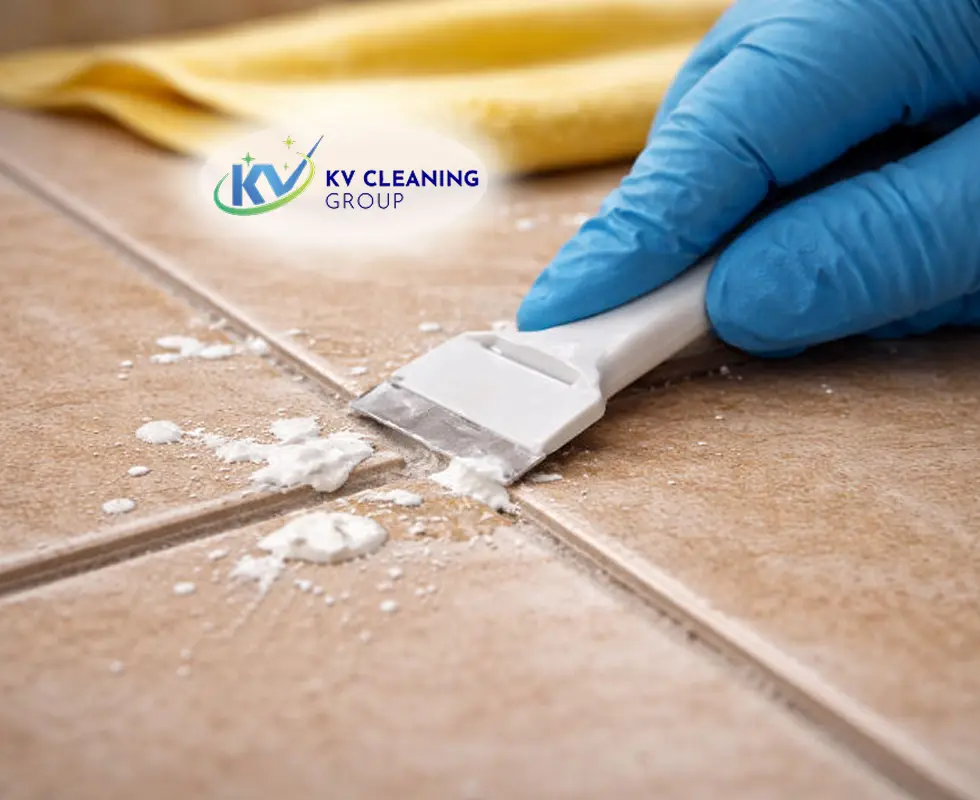
Deep cleaning can address detailed areas around fixtures, grout, edges, fittings and other locations where residue may gradually accumulate.
Carpets and Upholstery
Carpets and upholstered furniture may require periodic specialist cleaning depending on material, traffic and condition.
Windows and Glass
Internal glass and selected window areas can be incorporated into periodic cleaning schedules where appropriate.
Equipment and Fixtures
Deep cleaning should also provide an opportunity to inspect equipment for damage or deterioration. A surface that is damaged or difficult to clean may require maintenance or replacement rather than repeated cleaning alone.
Common Housekeeping Mistakes
Cleaning Only at the End of the Day
Hotels operate continuously, so waiting until closing time to address every cleaning issue is unrealistic. Spills, visible contamination and high-traffic areas require attention when the condition occurs.
Treating Every Room the Same
Room status matters. A checkout room requires a different approach from a stayover room, while a room with an unexpected spill may need immediate attention regardless of its scheduled service.
Prioritising Speed Over Quality
Housekeeping teams work within operational time limits, but rushing through a room can lead to missed surfaces, incomplete bathroom cleaning or forgotten amenities. The better objective is to create an efficient process that reduces unnecessary movement and clearly defines priorities.
Forgetting High-Touch Areas
Some surfaces may appear clean while receiving substantial contact. Door handles, switches, remote controls, taps and lift buttons can be overlooked if the checklist focuses only on visible dirt.
Ignoring Maintenance Problems
Housekeeping staff frequently discover maintenance issues before other hotel teams do. A broken fitting, leaking tap, damaged surface or faulty fixture should be reported through the hotel's established maintenance process. Cleaning cannot compensate for a surface that is no longer suitable for effective maintenance.
How to Make a Hotel Cleaning Checklist More Effective
The best checklist is specific enough to guide staff without becoming unnecessarily complicated.
Instead of:
“Clean bathroom.”
use a clearer task such as:
“Clean toilet, sink, taps, shower/bath surfaces, mirror, floor and waste bin; replenish required supplies.”
This removes ambiguity and makes inspections easier.
The checklist should also reflect the actual workflow. If room attendants repeatedly have to walk back and forth to collect supplies, the problem may be room organisation rather than staff performance. Similarly, if public-area tasks are repeatedly missed during peak periods, management may need to adjust staffing or cleaning frequency.
A checklist should therefore be reviewed as an operational tool, not treated as a permanent document that never changes.
Housekeeping Inspections and Quality Control
Cleaning is only one part of maintaining hotel standards. A supervisor or designated team member can conduct room inspections using the same general categories as the housekeeping checklist.
The inspection should look for:
-
Missed surfaces
-
Bathroom cleanliness
-
Linen presentation
-
Required amenities
-
Visible stains or residue
-
Odours
-
Damaged fixtures
-
Maintenance concerns
-
Overall room presentation
The purpose of inspection is not simply to identify mistakes. It provides feedback that can reveal recurring weaknesses in the cleaning process. If the same area is repeatedly missed, management can determine whether the issue is training, time pressure, equipment, room design or checklist clarity.
How to Assign Housekeeping Responsibilities
A checklist becomes more effective when every task has a clear owner. Hotels can assign responsibilities according to role, such as room attendants, public-area cleaners, supervisors and maintenance staff.
For example, a room attendant may be responsible for guest-room turnover, while a public-area team maintains corridors, reception and shared spaces. Supervisors can perform inspections and escalate maintenance issues.
A simple responsibility framework can look like this:
| Task | Typical responsibility |
|---|---|
| Guest-room turnover | Room attendant |
| Public-area routine cleaning | Public-area cleaning team |
| Final room inspection | Supervisor or designated inspector |
| Maintenance issue escalation | Housekeeping / maintenance coordination |
| Periodic deep cleaning | Assigned housekeeping or specialist team |
The exact structure will depend on the property's size and operating model. The important point is that responsibilities should be explicit. When a task belongs to “everyone,” it can easily become a task that nobody completes.
Expert Considerations for Hotel Cleaning
Cleaning frequency should be based on use, condition, risk and operational requirements, rather than applying the same interval to every surface. A high-touch reception counter may need more frequent attention than a low-use storage shelf. A checkout room requires a different level of preparation from a room occupied by the same guest. A visible spill requires immediate action regardless of when the previous cleaning occurred.
This is why a strong Hotel Cleaning Checklist combines scheduled tasks with responsive cleaning.
Another important consideration is product selection. Cleaning products should be appropriate for the material being cleaned and used according to the manufacturer's instructions. Staff should also understand safe handling, storage and any relevant precautions.
Finally, housekeeping and maintenance should work together. A cracked surface, damaged seal or deteriorating fitting can make cleaning more difficult. Identifying and reporting these problems early can help maintain both cleanliness and the long-term condition of the property.
Where cleaning practices involve specific safety, material-care or infection-control requirements, the hotel's internal procedures and applicable professional guidance should take priority over a generic checklist.
Practical Hotel Cleaning Checklist
For quick implementation, housekeeping managers can use the following framework.
Guest Room Turnover
-
Confirm room status.
-
Remove used linens and waste.
-
Clean and reset the bed.
-
Clean bathroom fixtures and surfaces.
-
Clean relevant room surfaces.
-
Clean floors.
-
Address high-touch areas.
-
Replenish required amenities.
-
Check for stains, damage and maintenance concerns.
-
Complete the final room inspection.
Daily Housekeeping
-
Complete checkout-room turnover.
-
Check public bathrooms.
-
Clean reception and waiting areas.
-
Inspect corridors and lifts.
-
Address spills and visible contamination.
-
Check high-touch surfaces.
-
Empty waste bins as required.
-
Restock housekeeping supplies.
-
Report maintenance concerns.
Weekly Cleaning
-
Clean behind and underneath accessible furniture.
-
Detail doors and frames.
-
Clean storage areas.
-
Address floor edges and corners.
-
Clean selected fixtures and equipment exteriors.
-
Inspect less frequently cleaned surfaces.
Periodic Deep Cleaning
-
Deep-clean carpets where required.
-
Clean upholstery and suitable fabric surfaces.
-
Address under-bed and behind-furniture areas.
-
Inspect mattresses and related equipment.
-
Clean accessible vents and grilles.
-
Detail bathroom fixtures and difficult-to-reach areas.
-
Inspect damaged or deteriorating surfaces.
-
Review whether the existing cleaning schedule remains effective.
When Should a Hotel Review Its Cleaning Checklist?
A hotel should review its Hotel Housekeeping Checklist whenever the property's operations change. Changes in room types, occupancy patterns, guest expectations, staffing levels, new facilities or new cleaning equipment can all affect the suitability of an existing checklist.
Recurring guest complaints can also provide useful information. If guests repeatedly mention bathroom cleanliness, dusty surfaces or overlooked areas, management should investigate whether the issue comes from insufficient frequency, unclear procedures, inadequate training or unrealistic time allocations.
A checklist should evolve with the hotel rather than remaining unchanged for years.
The Role of Professional Cleaning Services
Internal housekeeping teams are central to guest-room servicing because they understand room status, guest requirements and property-specific standards. However, professional cleaning services can complement hotel housekeeping by taking responsibility for suitable general or periodic cleaning tasks.
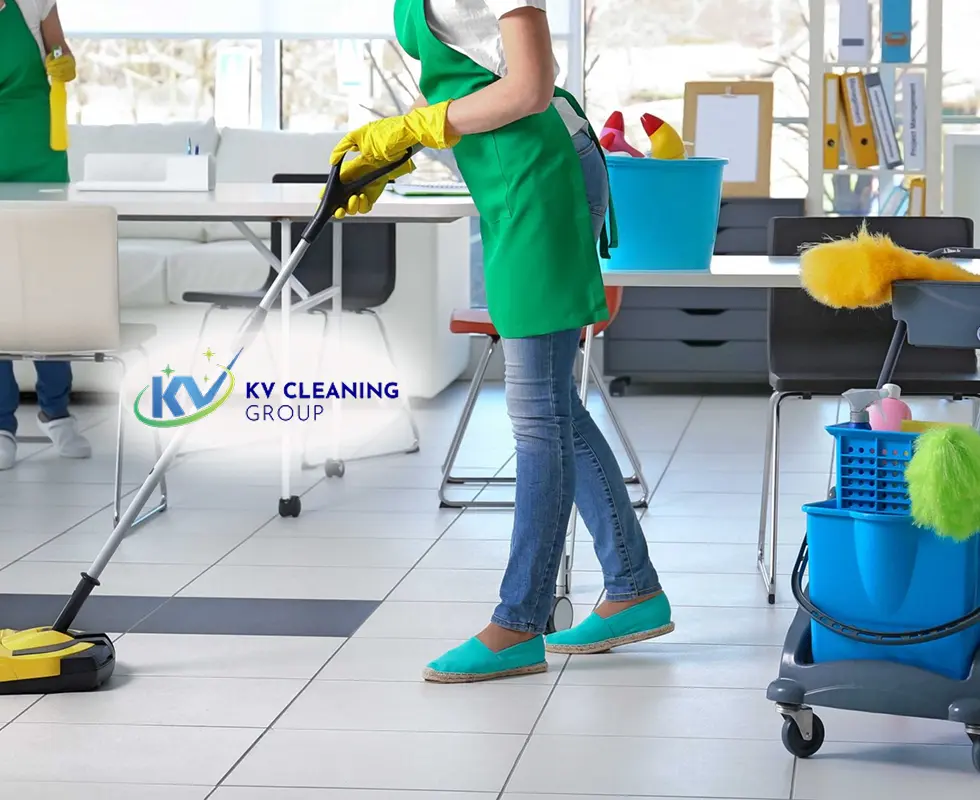
Depending on the property, this may include public areas, corridors, reception spaces, bathrooms, floors, staff areas, high-touch surfaces and scheduled deep-cleaning work.
This can allow room attendants to concentrate on guest-room turnover while professional cleaners support broader cleaning responsibilities agreed with hotel management. The scope should be clearly defined so that internal housekeeping and external cleaning teams complement one another rather than duplicate responsibilities.
Why Choose KV Cleaning for Hotel Cleaning?
Hotels need cleaning support that fits around guest activity and operational schedules. KV Cleaning can complement internal housekeeping operations with professional cleaning support for suitable areas across the property, subject to the hotel's requirements.
Depending on the agreed scope, this may include common areas, reception spaces, corridors, bathrooms, floors, high-touch surfaces and periodic deep-cleaning requirements.
A structured external cleaning service can help reduce pressure on internal housekeeping teams by taking responsibility for agreed general or periodic cleaning tasks. This can allow hotel staff to focus more closely on guest rooms, room turnover, room readiness and guest-specific requirements.
KV Cleaning can work within an agreed cleaning scope and schedule so that external support functions as an extension of the hotel's housekeeping system rather than replacing its internal procedures. Hotels should define responsibilities, frequency, access requirements and inspection expectations before service begins.
Conclusion
A complete Hotel Cleaning Checklist should do more than tell housekeeping teams what to clean. It should create a practical system for managing room turnover, routine housekeeping, public-area cleaning, weekly detail work and periodic deep cleaning while leaving room for unexpected spills, guest requests and maintenance concerns.
The most effective approach is to organise tasks according to room status, frequency and responsibility. A checkout room requires a different cleaning process from an occupied stayover room, while high-touch public areas may require repeated attention throughout the day.
Clear accountability is equally important. When staff know exactly what they are responsible for and supervisors have a consistent inspection process, the checklist becomes a useful quality-control tool rather than just another document.
Ultimately, effective hotel housekeeping comes from consistent procedures, appropriate cleaning methods, clear accountability, useful inspections and regular review.
For hotels that need additional support with general premises cleaning, public areas or periodic deep cleaning, KV Cleaning can complement existing housekeeping operations with professional cleaning services within an agreed scope and schedule.
Get Free Quote
Frequently Asked Questions
A Hotel Cleaning Checklist should cover guest rooms, bathrooms, public areas, floors, high-touch surfaces, waste management, housekeeping supplies, periodic cleaning and final inspections. It should distinguish between room-turnover, routine daily, weekly and periodic tasks.
Daily Hotel Cleaning Tasks typically include guest-room servicing, checkout-room preparation, bathroom cleaning, floor care, public-area cleaning, high-touch surface cleaning, waste removal and responding to spills or other immediate cleaning needs.
A shared master checklist can be useful, but checkout and occupied stayover rooms should have separate task sets or clearly marked sections because the required work is different. Room status should be confirmed before housekeeping begins.
The hotel's established housekeeping process should assign room inspection to a supervisor or other designated team member. The inspection can use the same general categories as the cleaning checklist and should confirm cleanliness, amenities, visible issues and maintenance concerns before release.
Deep cleaning should be scheduled periodically according to room usage, hotel standards, materials and condition. Not every deep-cleaning task needs to happen monthly; some may require a different interval based on the property and the area involved.
Urgent conditions such as spills, visible contamination or guest-specific cleaning requests should be handled when they occur rather than waiting for the next scheduled cleaning round. The hotel's operating and safety procedures should determine the response and escalation process.
Yes. External cleaning providers can complement internal housekeeping when responsibilities are clearly defined. For example, room attendants can remain focused on guest-room turnover while an external team supports agreed public-area, general or periodic deep-cleaning tasks.