

Mould Removal Sydney: A Complete Guide for Homes & Businesses
If you have noticed mould on your walls, ceilings, windows or carpets, you may be wondering where it came from and what you should do about it. Sometimes mould is easy to spot. Other times, the first warning is a musty smell or mould that keeps returning after cleaning.
Mould is usually linked to excess moisture. In Sydney properties, condensation, poor ventilation, plumbing leaks, roof leaks, flooding and water damage can all create conditions where mould grows.
It can affect houses and apartments as well as offices, retail stores, warehouses, strata buildings and other commercial properties. The right way to deal with it depends on the cause, the affected material and the extent of the problem.
Blog Summary
Mould can develop when moisture remains in a building and surfaces do not dry properly. This guide explains why mould is common in Sydney, where it can hide, the signs to look for, and the difference between mould cleaning, removal, treatment, inspection, testing and remediation. It also covers DIY cleaning, professional services, costs, prevention and important considerations for NSW rental properties.
Why Is Mould Such a Common Issue in Sydney?
Sydney's weather can contribute to damp conditions, but the weather itself is not always the reason mould develops inside a building.
Indoor moisture is often the bigger factor. When humid air, condensation, leaks or water damage are combined with poor airflow, surfaces may stay damp long enough for mould to grow.
This is why two properties in the same suburb can have completely different mould problems.
Sydney's Humidity and Climate
Periods of humidity and rainfall can increase moisture around a property. Coastal conditions can also contribute to damp environments, particularly when there is limited ventilation.
However, a humid day does not automatically mean a property will develop mould.
A well-ventilated, dry property is generally less likely to have persistent mould than a property where moisture is trapped or regularly introduced.
Poor Ventilation
Bathrooms, kitchens and laundries produce moisture as part of everyday life.
Showering creates steam, cooking releases water vapour and drying clothes indoors can add significant moisture to the air.
If this moisture cannot escape, it can settle on cooler surfaces such as windows, walls and ceilings.
Using exhaust fans, improving airflow and allowing damp areas to dry can help reduce the problem.
Leaks, Water Ingress and Flooding
Water can enter a property in several ways.
Common examples include:
-
Plumbing leaks
-
Roof leaks
-
Damaged gutters
-
Failed window seals
-
Water entering through walls
-
Flooding
-
Storm damage
-
Waterproofing problems
Even a small leak can become a mould problem if it remains unnoticed.
Cleaning the mould without addressing the leak or moisture source may only provide a temporary result.
Condensation
Condensation occurs when moist air meets a cooler surface.
It is commonly seen around:
-
Window frames
-
Window sills
-
Cold walls
-
Ceilings
-
Air-conditioning areas
If condensation keeps appearing, wiping it away is only part of the solution. The room's humidity and airflow should also be considered.
What Causes Mould Growth in Buildings?
Mould needs moisture to grow, but several conditions can contribute to the problem.
Common causes include:
-
Poor ventilation
-
Plumbing leaks
-
Roof leaks
-
Water entering through walls or windows
-
Flooding
-
Storm-related water damage
-
Condensation
-
Damp carpets
-
Damp curtains and furniture
-
Poor subfloor ventilation
-
Wet or water-damaged building materials
-
Moisture trapped behind walls
When mould keeps returning in the same place, it is worth asking:
Why is this area staying damp?
That question can be more useful than repeatedly cleaning the same patch.
Signs You May Have a Mould Problem
Mould is not always immediately obvious.
Sometimes there is a visible patch, while in other cases the first sign is an unusual smell or recurring moisture.
Look for:
-
Dark or discoloured patches
-
Musty smells
-
Mould around windows
-
Marks that repeatedly appear on ceilings
-
Peeling or damaged paint
-
Damp carpets
-
Condensation that keeps returning
-
A room that feels unusually damp
-
Mould that comes back soon after cleaning
-
Water stains
-
Signs of previous leaks
A musty smell does not automatically prove that hidden mould is present, but it can be a reason to investigate the area for moisture and ventilation problems.
Where Does Mould Commonly Hide?
The visible mould is not always the full extent of the problem.
Moisture can move through building materials, and mould can develop in places that are not immediately visible.
Bathrooms, Laundries and Wet Areas
Bathrooms and laundries are common mould-prone areas because they regularly deal with water and humidity.
Check around:
-
Shower walls
-
Shower ceilings
-
Bath and shower seals
-
Washing machines
-
Laundry sinks
-
Bathroom corners
-
Exhaust fan areas
-
Poorly ventilated spaces
Allowing wet areas to dry and improving ventilation can help reduce moisture.
Ceilings, Walls and Subfloors
Mould on a ceiling can sometimes be associated with a roof leak, plumbing issue or condensation.
Mould on a wall may be connected to plumbing, external water ingress, condensation or another moisture source.
Subfloors can also develop damp conditions, particularly after water leaks or flooding.
If mould repeatedly appears in the same area, it is worth investigating the reason rather than continually treating the surface.
Around Window Frames and Sills
Windows are common places for condensation.
Look around:
-
Window frames
-
Window sills
-
Curtains
-
Blinds
-
Nearby walls
If condensation is happening regularly, consider whether the room has enough ventilation and whether indoor humidity is too high.
Carpets, Curtains and Soft Furnishings
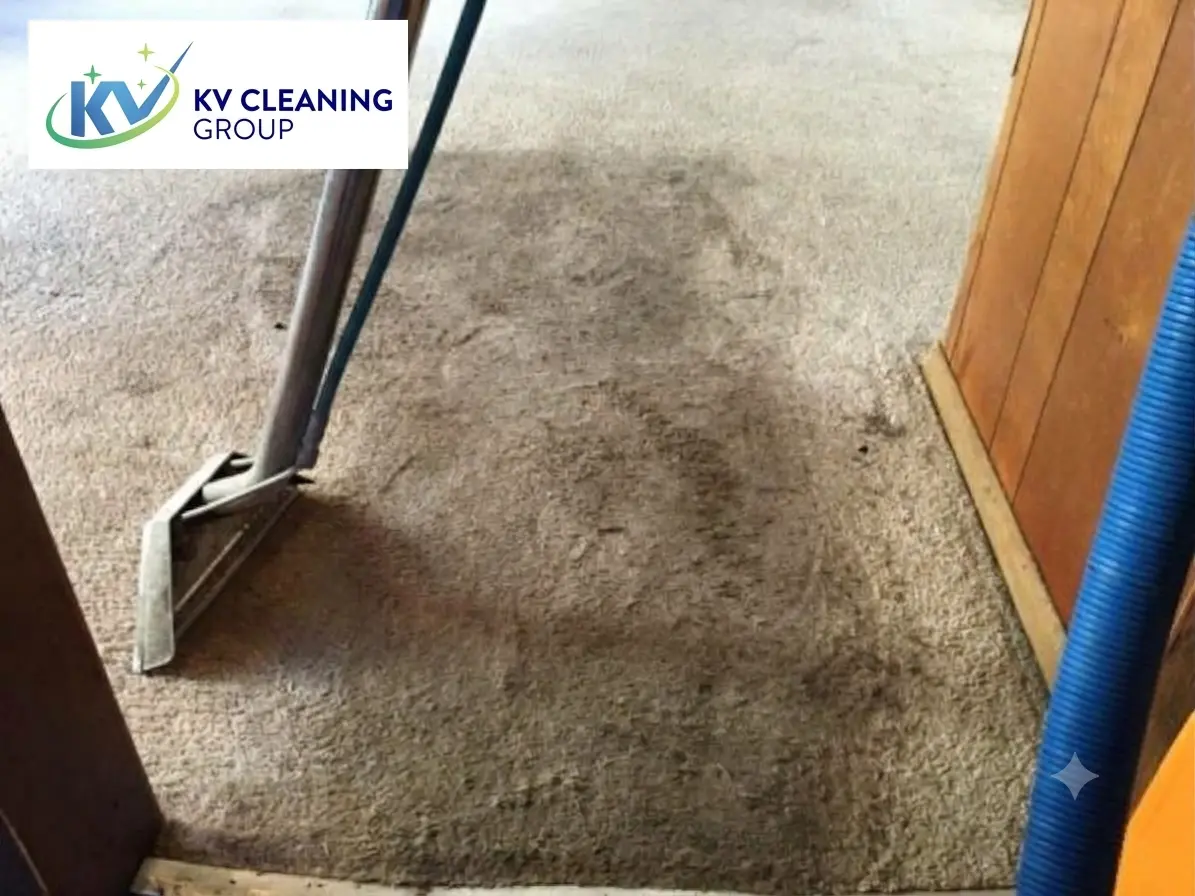
Mould can affect absorbent materials such as carpets, curtains and upholstery when they remain damp.
These materials can be more difficult to clean than hard surfaces. Depending on their condition and the extent of the problem, specialist cleaning or replacement may be necessary.
Offices, Retail Spaces and Commercial Buildings
Mould can affect many types of commercial property, including:
-
Meeting rooms
-
Retail stores
-
Warehouses
-
Storage areas
-
Staff rooms
-
Commercial kitchens
-
Bathrooms
-
Common areas
In a commercial property, identifying the source is especially important because the problem may be related to building maintenance, ventilation, plumbing or water ingress.
Health Risks and Mould Exposure
People can react differently to mould.
Some people may not notice any symptoms, while others may be more sensitive to mould and damp environments.
Possible reactions can include:
-
Runny or blocked nose
-
Eye irritation
-
Skin irritation
-
Wheezing
-
Allergy symptoms
-
Worsening asthma symptoms
People with asthma, allergies or certain respiratory conditions may be more sensitive.
If you are experiencing ongoing health symptoms that you believe may be connected to mould exposure, speak with a qualified healthcare professional.
From a property perspective, the important step is to identify the moisture source and deal with the affected area appropriately.
Mould Inspection Sydney: How Is a Mould Problem Identified?
A mould inspection in Sydney is about understanding the condition of the property and looking for possible moisture sources.
An inspection may consider:
-
Visible mould
-
The size and location of affected areas
-
Signs of water damage
-
Moisture
-
Condensation
-
Ventilation
-
Plumbing problems
-
Roof leaks
-
Areas where hidden moisture may be present
Depending on the situation, moisture meters or thermal imaging may be useful tools for investigating areas that are not easy to assess visually.
The main questions are:
Where is the mould?
Where is the moisture coming from?
What needs to be done to prevent the problem from returning?
That information can help determine whether simple cleaning, further investigation or professional remediation is appropriate.
Mould Testing Sydney: When Is Testing Useful?
Mould testing in Sydney involves collecting samples for analysis. Depending on the circumstances, samples may be collected from surfaces or air.
Testing is not automatically necessary whenever mould is visible.
For a straightforward problem, identifying the moisture source and dealing with the affected area may be more useful than testing alone.
Testing may be considered when:
-
Hidden contamination is suspected
-
The source cannot be identified
-
Documentation is required
-
There has been complicated water damage
-
An insurance or property matter requires documentation
-
A specialist recommends sampling
Testing does not remove mould or correct a moisture problem.
If the underlying dampness remains, mould can return even after testing has been completed.
Can You Remove Mould Yourself?
Not every mould problem requires the same response.
A small, localised area on a suitable surface may sometimes be cleaned as part of normal property maintenance. Larger, recurring or difficult-to-access problems require more care.
When DIY Mould Cleaning May Be Appropriate
DIY cleaning may be more suitable when:
-
The affected area is small and localised
-
The mould is clearly visible
-
The moisture source has been identified
-
The surface can be safely cleaned
-
There has been no significant water damage
-
Appropriate safety precautions can be followed
The size of the area is not the only factor. The type of material and the cause of the moisture also matter.
Safety Precautions
If you decide to clean mould yourself:
-
Improve ventilation where appropriate.
-
Wear suitable protective equipment.
-
Avoid unnecessarily disturbing dry mould.
-
Follow the instructions on the cleaning product.
-
Keep children and vulnerable people away from the area.
-
Clean and dry the area properly.
Never mix household cleaning chemicals.
In particular, never mix bleach with other cleaning products.
What About Vinegar and Bleach?
There is no single cleaning product that is suitable for every material.
A sealed tile, glass surface or metal fitting is very different from carpet, plasterboard, insulation or untreated timber.
The material should be considered before choosing a cleaning method.
When Should You Contact a Professional?
Professional help may be appropriate when:
-
Mould covers an extensive area
-
It repeatedly returns
-
There has been significant flooding or water damage
-
Absorbent materials are affected
-
Hidden mould is suspected
-
There is a persistent musty smell
-
The moisture source cannot be identified
-
The affected area is difficult or unsafe to access
-
Specialist equipment or procedures are required
Mould Removal Sydney: What Does Professional Cleaning Involve?
Professional mould removal in Sydney should focus on more than removing the visible marks.
The exact process depends on the property, the materials affected and the cause of the moisture.
Step 1: Assess the Problem
The affected areas are identified and possible moisture sources are considered.
This may include checking for:
-
Visible mould
-
Water damage
-
Condensation
-
Plumbing leaks
-
Roof leaks
-
Poor ventilation
-
Damp materials
Step 2: Address the Moisture Source
Where possible, the underlying moisture problem needs to be corrected.
This could involve repairing a leak, improving ventilation, drying water-damaged areas or dealing with another source of dampness.
Step 3: Clean Affected Surfaces
The cleaning method depends on the material.
Hard, non-porous surfaces can generally be cleaned differently from absorbent materials such as carpets, plasterboard and some types of timber.
Step 4: Dry the Area
Drying is an important part of mould management.
Depending on the situation, ventilation, improved airflow or dehumidification may help reduce moisture.
Step 5: Prevent Recurrence
The goal should not simply be to make the mould disappear.
The conditions that allowed it to develop should also be addressed wherever possible.
Mould Treatment Sydney: Addressing the Underlying Problem
The term mould treatment can mean different things depending on the property and the work required.
Treatment may involve:
-
Cleaning affected surfaces
-
Applying an appropriate treatment product
-
Drying damp materials
-
Improving ventilation
-
Controlling humidity
-
Addressing leaks
-
Reducing future moisture accumulation
Treatment should not be viewed as a replacement for fixing the underlying cause.
For example, applying a product to a mouldy wall will not solve a leaking pipe behind the wall.
Similarly, repeatedly wiping condensation from a window will not solve the problem if the room continues to have excessive moisture and poor airflow.
Effective mould management deals with both the visible mould and the conditions that allowed it to develop.
Mould Remediation Sydney: When Is Professional Remediation Needed?
Mould remediation in Sydney generally describes a broader response than basic surface cleaning.
Professional assessment may be appropriate when:
-
Mould is widespread
-
Water damage is extensive
-
Porous building materials are affected
-
Hidden contamination is suspected
-
Mould repeatedly returns
-
The moisture source is difficult to control
-
Multiple rooms are affected
-
A commercial or multi-unit property requires a coordinated response
Depending on the circumstances, remediation may involve assessment, appropriate containment, cleaning or removal of affected materials, drying and restoration.
There is no single process that is suitable for every building. The work should be based on the actual condition of the property.
Mould Removal for Sydney Businesses and Commercial Properties
For businesses, mould can become more than a cleaning problem.
A persistent mould or moisture issue can affect the appearance of a workplace, create unpleasant odours and interfere with normal operations.
Early attention can help identify the source before the affected area becomes more extensive.
Offices
Common problem areas include:
-
Carpets
-
Ceilings
-
Meeting rooms
-
Kitchens
-
Bathrooms
-
Window areas
-
Storage rooms
Retail Stores
Mould can occur around:
-
Shopfronts
-
Storage areas
-
Bathrooms
-
Ceilings
-
Windows
-
Poorly ventilated spaces
Warehouses
Warehouse environments may experience moisture around:
-
Roof areas
-
Storage zones
-
External walls
-
Loading areas
-
Poorly ventilated corners
Strata and Multi-Unit Properties
Mould in an apartment or strata property can sometimes be connected to plumbing, waterproofing, common areas, building defects or water entering from another part of the property.
In these situations, finding the source is particularly important.
Cleaning the visible mould without investigating the cause may only provide a temporary result.
How Much Does Mould Removal Cost in Sydney?
There is no single price for mould removal in Sydney because every property is different.
The cost can depend on:
-
Size of the affected area
-
Type of surface
-
Extent of contamination
-
Accessibility
-
Moisture source
-
Water damage
-
Cleaning requirements
-
Drying requirements
-
Whether affected materials need to be removed
-
Whether specialist inspection or testing is required
Cleaning a small area on a hard surface can require very different work from dealing with mould across carpets, walls, ceilings or several rooms.
For that reason, a property assessment can provide a much clearer idea of the work required than a generic online price.
How to Prevent Mould From Coming Back
Removing visible mould is only part of the solution.
Controlling moisture is one of the most important steps in reducing recurrence.
Improve Ventilation
Use exhaust fans when showering, cooking and doing laundry.
Where practical, improve airflow through rooms that regularly become humid.
Control Indoor Humidity
A dehumidifier can be useful in areas where excess moisture is difficult to control through ventilation alone.
Pay attention to rooms where condensation regularly develops.
Fix Leaks Quickly
Do not ignore:
-
Leaking pipes
-
Dripping taps
-
Roof leaks
-
Damaged gutters
-
Failed window seals
-
Water entering through walls
A small moisture problem can become a much larger mould problem if it remains unresolved.
Keep Wet Areas Dry
Allow bathrooms, laundries and other wet areas to dry properly.
Avoid leaving wet carpets, towels, curtains or other absorbent materials damp for long periods.
Allow Airflow Around Furniture
Where practical, avoid placing large pieces of furniture tightly against cold external walls.
Leaving some space can improve airflow and reduce trapped moisture.
Mould in NSW Rental Properties: What Should Tenants and Landlords Know?
If you rent a property in Sydney and discover mould, responsibility can depend on how the mould developed.
For example, mould associated with a property defect, plumbing problem or building-related moisture issue may need to be addressed by the landlord.
On the other hand, tenants may have responsibilities where their actions contribute to excessive moisture.
If you discover mould in a rental property:
-
Take photographs of the affected areas.
-
Notify the landlord or property manager promptly.
-
Keep records of your communications.
-
Follow reasonable ventilation and moisture-control practices.
-
Ask for the underlying cause to be investigated.
Rental situations can vary, so tenants and landlords should refer to current NSW Government guidance for advice specific to their circumstances.
Conclusion
Mould should not be treated as just a cosmetic problem.
If mould keeps returning after cleaning, it may be a sign that moisture is still affecting the property. Finding and addressing the underlying issue can be just as important as cleaning the visible mould.
From homes and apartments to offices, retail stores, warehouses and strata properties, every mould problem is different. The right approach depends on the affected materials, the extent of the problem and the source of moisture.
If you need mould removal in Sydney, KV Cleaning can help you discuss the cleaning requirements for your property and determine the appropriate next step.
Contact KV Cleaning today to request a mould removal quote in Sydney.
Get Free Quote

Frequently Asked Questions
Mould cleaning generally means cleaning visible mould from affected surfaces. Mould remediation is a broader process that may involve identifying the moisture source, managing affected areas, cleaning or removing affected materials, drying the property and addressing conditions that could cause mould to return.
The cost depends on the affected area, materials, severity, accessibility, moisture source and required cleaning or drying work. A property assessment can provide a clearer understanding of the work involved.
It depends on the cause. Property defects, leaks and building-related moisture problems may be the landlord's responsibility, while tenants may have responsibilities where their actions contribute to avoidable moisture. The circumstances of each property should be considered.
Yes. If the underlying moisture problem remains, mould can return. That is why effective mould management should address both the existing mould and the conditions that allowed it to develop.
There is no standard timeframe for every property. A small, localised cleaning job may take considerably less time than a property affected by extensive water damage or mould in several areas. The size of the affected area, materials, moisture source and drying requirements all influence the timeframe.
Insurance coverage depends on the individual policy and the cause of the mould or water damage. Some policies may cover damage associated with an insured event, while gradual damage or maintenance-related problems may be treated differently. Check your policy and speak with your insurer before assuming mould-related work is covered.
Not necessarily. When mould is clearly visible, testing may not provide additional useful information. Testing may be considered where hidden mould is suspected, the source cannot be identified, documentation is required or a specialist recommends sampling.
Mould can be removed, but preventing it from returning depends on controlling moisture. If a leak, condensation problem, poor ventilation or another moisture source remains, mould may return.
If mould repeatedly returns to the same area, do not simply keep cleaning the surface. Look for the underlying cause, such as a leak, condensation, poor ventilation or damp building material. If the source is difficult to identify or the affected area is extensive, professional assessment may be appropriate.