Office Cleaning Routines That Improve Workplace Efficiency

Office Cleaning Routines That Improve Workplace Efficiency

Introduction

Workplace efficiency depends on how smoothly employees can perform their daily tasks without unnecessary distractions or interruptions. While technology, management, and workflow planning are often prioritised, the role of cleanliness is sometimes underestimated. Office cleaning routines have a direct impact on how efficiently a workplace functions, influencing productivity, health, safety, and overall employee satisfaction.

A structured office cleaning routine ensures that workspaces remain organised, hygienic, and ready for daily use. When cleaning is planned and executed consistently, businesses benefit from improved focus, reduced downtime, and a more professional working environment.

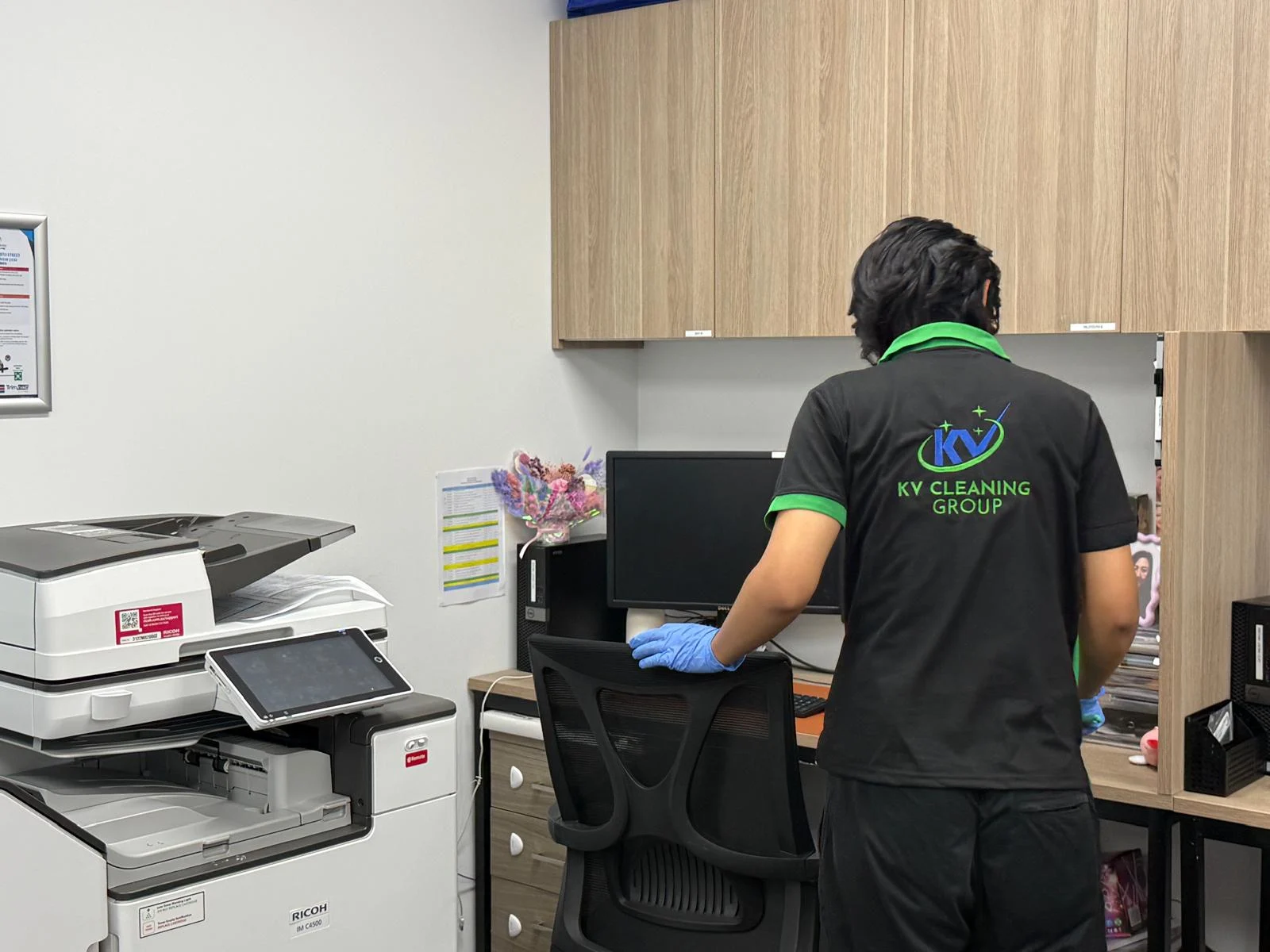
Daily Desk and Workstation Cleaning Supports Focus

Individual workstations are where most employees spend their day.

  • Clean desks reduce visual clutter and distractions.
  • Sanitised surfaces support healthier working conditions.
  • Organised work areas help employees stay focused on tasks.

Office cleaning routines that include regular workstation cleaning create environments that encourage concentration and efficiency.

Maintaining Clean Shared Areas Reduces Delays

Shared spaces often affect workflow more than individual offices.

  • Meeting rooms must be clean and ready for scheduled use.
  • Break rooms and kitchens require routine attention to avoid mess.
  • Clear common areas prevent time lost searching for usable spaces.

Consistent office cleaning routines ensure shared areas support smooth collaboration rather than causing interruptions.

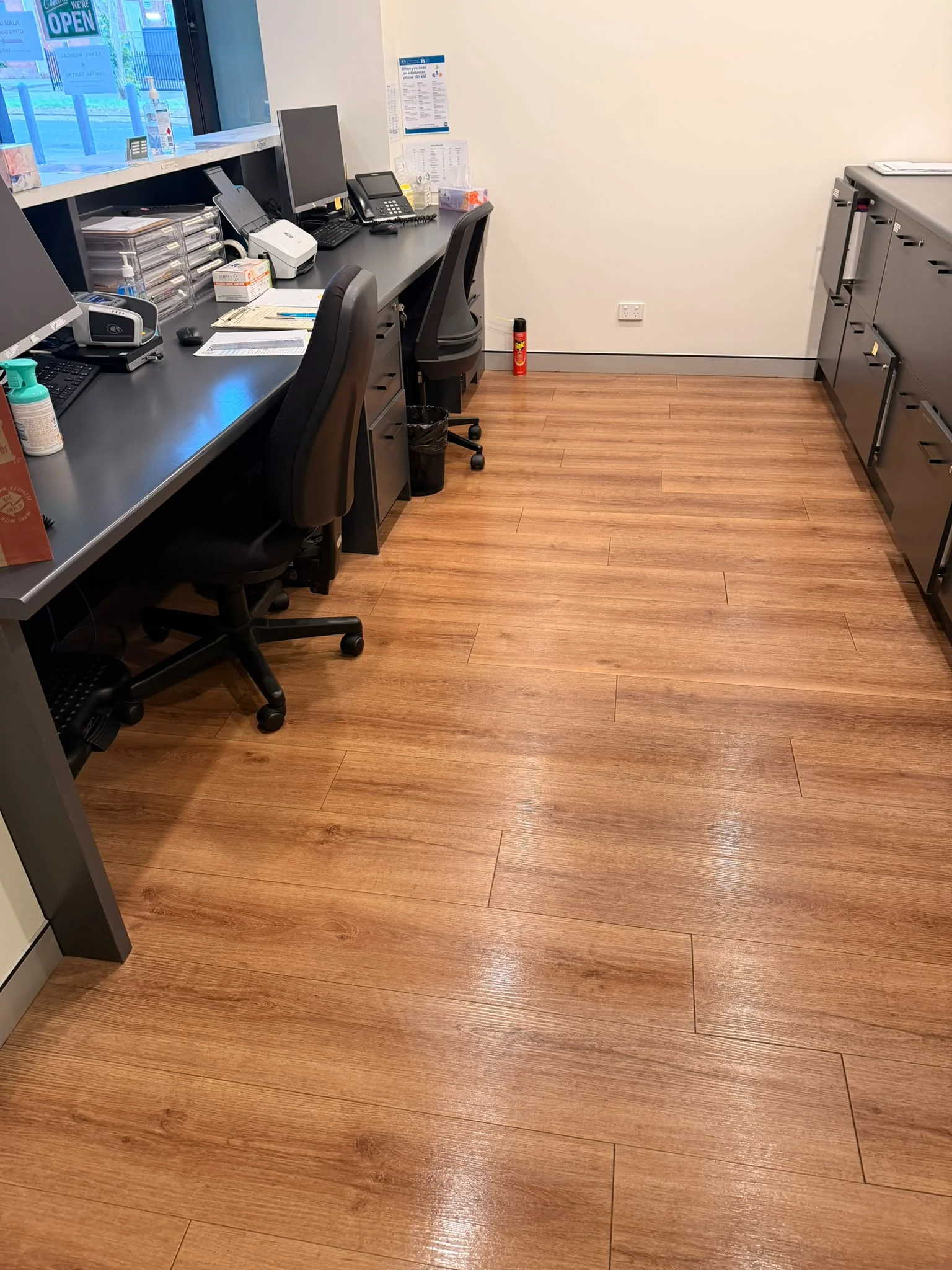
Clean Floors Improve Safety and Movement

Office movement is constant throughout the day.

  • Clean floors reduce slip and trip hazards.
  • Clear walkways support faster and safer movement between departments.
  • Regular floor maintenance improves the overall office appearance.

Office cleaning routines that prioritise floor care help maintain safe and efficient movement within the workplace.

Washroom Cleaning Supports Employee Comfort

Employee comfort plays a major role in workplace efficiency.

  • Clean washrooms reduce time wasted searching for alternatives.
  • Proper sanitisation supports hygiene and wellbeing.
  • Well-maintained facilities reflect organisational care for staff.

Office cleaning routines that include frequent washroom cleaning contribute to a more comfortable and productive workforce.

Waste Management Keeps Workspaces Organised

Clutter and overflowing bins disrupt office operations.

  • Regular rubbish removal keeps work areas tidy.
  • Clean disposal areas reduce odours and distractions.
  • Organised spaces allow employees to work more efficiently.

Office cleaning routines that manage waste effectively support smoother daily operations.

Air Quality Maintenance Enhances Concentration

Air quality affects how employees feel and perform throughout the day.

  • Dust build-up can affect comfort and focus.
  • Regular cleaning improves indoor air conditions.
  • Cleaner environments reduce fatigue and discomfort.

Office cleaning routines that address dust and allergens help create environments where employees can perform at their best.

Structured Cleaning Schedules Prevent Disruptions

Unplanned cleaning can interrupt workflows.

  • Scheduled routines ensure cleaning occurs at suitable times.
  • After-hours or off-peak cleaning reduces workplace disruption.
  • Predictable cleaning supports uninterrupted daily tasks.

Office cleaning routines aligned with business hours help maintain productivity without interference.

Consistent Cleaning Reduces Sick Days

Employee health directly affects workplace efficiency.

  • Regular sanitisation reduces germ spread.
  • Cleaner environments support healthier teams.
  • Fewer sick days mean consistent staffing levels.

Office cleaning routines contribute to improved attendance and operational stability.

Professional Cleaning Supports Long-Term Efficiency

Efficiency is not only about daily tasks but also long-term performance.

  • Well-maintained offices experience fewer maintenance issues.
  • Regular cleaning protects furniture and surfaces.
  • Consistent routines reduce long-term operational costs.

Office cleaning routines support both immediate productivity and future efficiency.

Conclusion

Office cleaning routines play a crucial role in improving workplace efficiency by supporting focus, safety, comfort, and organisation. When cleaning is structured and consistent, employees work more effectively, shared spaces function smoothly, and disruptions are minimised. A clean office environment allows businesses to operate efficiently while maintaining professional standards.

KV Cleaning provides professional office cleaning services designed to support workplace efficiency. Through trained cleaning teams, structured routines, and flexible scheduling, KV Cleaning helps businesses maintain organised, hygienic offices that enhance productivity and support long-term operational success.

Frequently Asked Questions

They reduce distractions, support organisation, and help employees work without interruptions

Clean desks improve focus, hygiene, and overall work performance.

Scheduled routines prevent unplanned disruptions and maintain smooth workflows.

Yes, regular sanitisation limits germ spread and supports healthier teams.

Off-peak cleaning avoids interruptions and keeps daily operations running efficiently.

Recent Posts

Shopping Centre Cleaning Solutions for Busy Retail Hours
19 Feb 2026
Shopping Centre Cleaning for Food Courts and Common Areas
19 Feb 2026
How Shopping Centre Cleaning Improves Visitor Experience
19 Feb 2026
Call Us