

Phosphoric Acid Cleaner: Uses, Applications and Safety
Phosphoric acid cleaner is an acid-based cleaning solution used in selected applications involving mineral deposits, scale and certain surface residues. It is also used in some metal treatment and cleaning processes. However, its suitability depends on the surface, the type of deposit and the instructions provided for the specific cleaning product.
In commercial environments, choosing the correct cleaning method is important. Using an unsuitable acidic cleaner can damage surfaces, fixtures or metal components. This guide explains common phosphoric acid cleaning applications, important precautions and when professional cleaning support may be appropriate.
What Is Phosphoric Acid Cleaner?
Phosphoric acid cleaner is a cleaning formulation that contains phosphoric acid as an active ingredient. Depending on the formulation, it may be used for selected descaling tasks, mineral deposit removal and certain metal-cleaning applications.
Phosphoric acid is also used in industrial processes, including metal treatment and tile cleaning. However, this does not mean every phosphoric acid formulation is suitable for every surface or cleaning task. Always check the product label and safety data sheet before use.
What Is Phosphoric Acid Cleaner Used For?
Removing Selected Mineral Deposits
Some phosphoric acid cleaning formulations are designed to help loosen mineral deposits and scale from compatible surfaces. The result depends on the deposit, product formulation, concentration, contact time and surface condition.
Cleaning Selected Washroom Surfaces
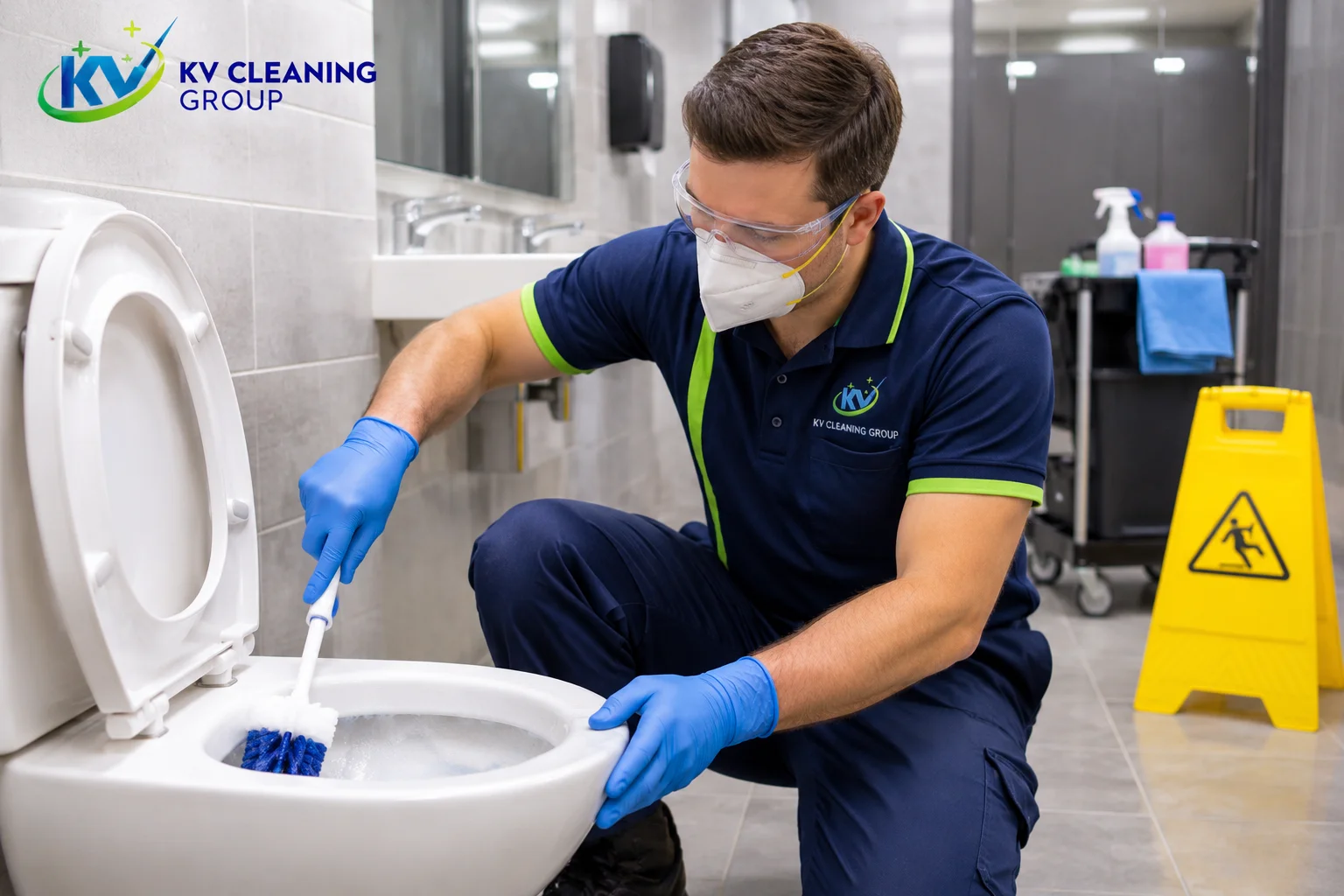
Acid-based cleaners may be used in certain washroom cleaning tasks where mineral build-up is present. However, they should only be considered when the product instructions confirm suitability for the specific fixture and material.
Selected Metal-Cleaning Applications
Phosphoric acid is used in some metal treatment and rust-related processes. Its use requires careful assessment because acidic formulations can corrode or affect certain metals and finishes. A product intended for one metal-cleaning application should not automatically be used on other materials.
Surface Compatibility and Cleaning Considerations
Before selecting a phosphoric acid cleaner, identify the surface material and the type of residue that needs attention. A cleaning method suitable for one material may be unsuitable for another.
- Natural stone: Confirm compatibility before using any acidic cleaner. Acid-sensitive stone may be etched or damaged.
- Metal fixtures: Check the product instructions carefully because phosphoric acid can be corrosive to certain metals and alloys.
- Tiles and grout: Identify the tile and grout materials before selecting an acidic cleaning method. Do not assume all tiled surfaces are suitable.
- Coated or finished surfaces: Consider whether the chemical could affect protective coatings, finishes or surrounding components.
- Unknown materials: Do not proceed until the surface and product compatibility have been established.
Phosphoric Acid Cleaner Safety Precautions
Phosphoric acid is corrosive, and exposure can cause harm through skin or eye contact, inhalation of mist or accidental ingestion. Concentrated products require particular care.
- Read and follow the product label and safety data sheet before handling the chemical.
- Use the protective equipment specified by the manufacturer and workplace procedures.
- Ensure suitable ventilation and avoid breathing chemical mist or vapour.
- Never mix phosphoric acid cleaner with bleach, chlorine-based cleaners or other cleaning chemicals.
- Keep chemicals in their correctly labelled containers and follow the specified storage requirements.
- Follow the product instructions for dilution, application, contact time and rinsing.
- Follow the relevant workplace emergency procedures if accidental exposure or a spill occurs.
For further information, refer to the Australian Government's guidance on phosphoric acid properties, uses and health effects.
When Is Professional Commercial Cleaning Appropriate?
Persistent mineral deposits, recurring washroom build-up and difficult-to-clean surfaces may require a more considered cleaning approach. Professional cleaning starts with understanding the material, identifying the type of residue and selecting a method that is appropriate for the site.
For workplaces and commercial facilities, cleaning requirements can also depend on operating hours, public access, fixture types and the condition of the areas being maintained. Acid-based chemicals should not be selected simply because a deposit appears difficult to remove.
KV Cleaning Group provides commercial cleaning services in Sydney. Organisations can discuss their facility requirements and the areas that need attention before deciding on a suitable cleaning arrangement.
To check whether your location is covered, visit our Sydney cleaning service areas.
Discuss Your Commercial Cleaning Requirements
If your workplace has recurring washroom build-up or other cleaning concerns, contact KV Cleaning Group to discuss the property, affected surfaces and the support required.
Share your site location, property type and cleaning requirements through our contact page.