

Mistakes to Avoid in Post Construction Cleaning
Blog Summary
For facility managers, project managers, and business owners throughout Sydney, post-construction cleaning is far more than a simple tidy-up. It is a critical industrial remediation process that ensures safety, compliance, and asset integrity. Failing to execute this correctly leads to hazardous dust exposure, damaged finishes, and costly delays to site handover. This guide outlines the common pitfalls in post-construction cleaning and provides a framework for managing this high-stakes phase of facility development.
Introduction: Cleaning as Risk Management
In our years of experience servicing construction sites throughout the Greater Sydney Region—from high-density redevelopments in Parramatta to commercial office fit-outs in North Sydney—we have seen how the final stage of a project often dictates its ultimate success. Many organisations underestimate the operational risks created by poor cleaning practices, viewing the builders clean as a minor task rather than a crucial safety and compliance milestone.
Post-construction cleaning is, at its core, a form of industrial hygiene. When you mismanage this phase, you are not just leaving behind aesthetic imperfections; you are leaving behind fine silica dust, construction debris, and potential health hazards. At KV Cleaning, we approach every post-construction project as a risk management strategy. This article is designed to help you avoid the common, expensive mistakes that turn a successful build into a compliance nightmare.
Why Cleaning Mistakes Cost Businesses More Than You Realise
Poorly executed post-construction cleaning creates compounding financial and operational consequences:
- The "Handover" Delay: If the building fails a final inspection due to lingering construction dust or debris, you face project delays, potential liquidated damages, and stalled tenant move-ins.
- Premature Asset Depreciation: Using incorrect chemicals or abrasive tools on fresh surfaces—such as new timber flooring or custom joinery—results in permanent damage, forcing costly repairs or replacements before the building is even occupied.
- Health and Safety Liabilities: Construction dust, particularly silica, is a known carcinogen. Failure to remove it effectively poses a significant health risk to future occupants, placing the Owners Corporation or building manager in a position of legal vulnerability.
- Hidden Re-Cleaning Costs: A "one-visit" builders clean almost always leads to secondary cleaning, as settled dust eventually emerges from HVAC systems and hidden cavities, doubling your total expenditure.
The Top 10 Mistakes to Avoid in Post-Construction Cleaning
1. Hiring Generalist Cleaners
- The Mistake: Contracting a standard commercial office cleaning team for a construction site.
- The Risk: They lack the specialist equipment (HEPA-filtered vacuums) and the training to handle hazardous construction materials.
- The Fix: Only hire contractors with proven, deep experience in the post-construction sector who can provide verifiable references from similar Sydney projects.
2. Skipping the Phased Approach
- The Mistake: Expecting the entire site to be "move-in ready" in one single visit.
- The Risk: You will inevitably have "dust migration" from final trade activities.
- The Fix: Mandate a three-phase schedule: Rough Clean (debris removal), Final Clean (detailed surface work), and Touch-up Clean (final polish after furniture installation).
3. Dry-Dusting and Sweeping
- The Mistake: Allowing the use of brooms or dry cloths to "dust" surfaces.
- The Risk: This creates airborne silica particles. Once the dust settles again hours later, your "clean" room is essentially back where it started.
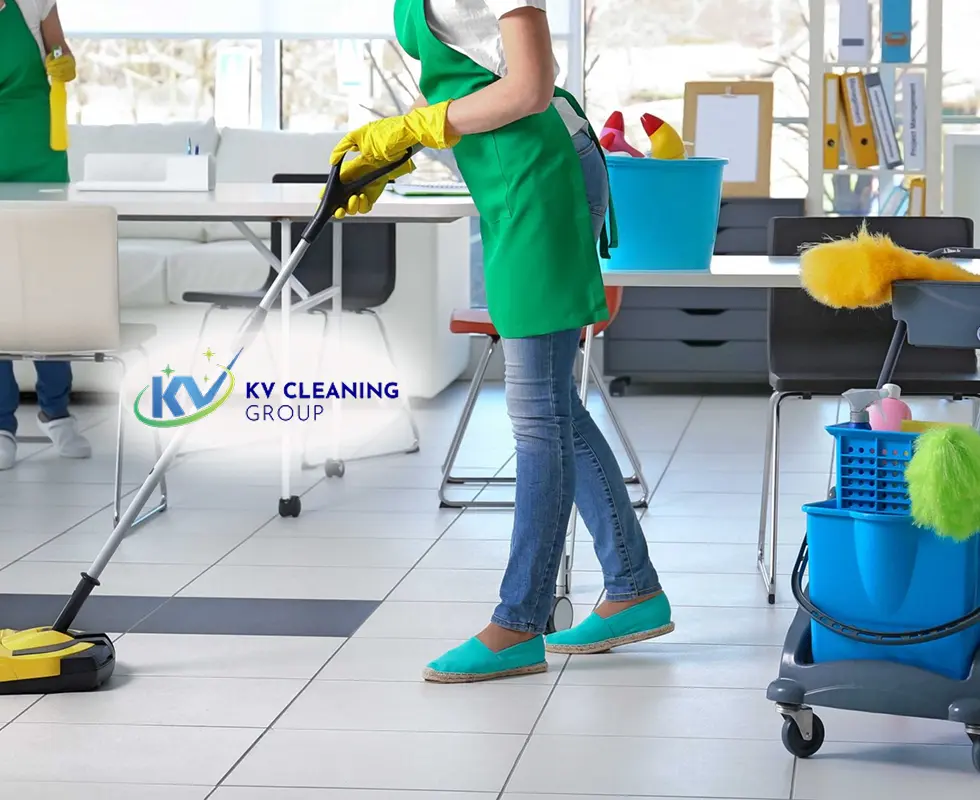
- The Fix: Enforce a strict "wet-wipe and HEPA-vacuum" policy. Every surface must be damp-wiped to trap dust, and every floor vacuumed with industrial-grade HEPA equipment.
4. Poor HVAC and Duct Management
- The Mistake: Cleaning visible surfaces but ignoring the HVAC grilles and ductwork.
- The Risk: Construction dust accumulates inside the ducts. Once the air conditioning is switched on, it will blast that dust into every room, ruining your hard work.
- The Fix: Ensure the scope includes cleaning supply/return grilles and replacing all temporary construction filters with permanent filters after the final clean.
5. Neglecting High-Touch Surfaces
- The Mistake: Focusing on floors and walls while missing hardware.
- The Risk: Door handles, light switches, and kitchen surfaces often get overlooked in the rush to clear debris.
- The Fix: Use a detailed, zone-by-zone checklist that requires sign-off on every high-touch point.
6. Incorrect Window Treatment
- The Mistake: Cleaning windows early in the process.
- The Risk: Dust and debris will inevitably land on them again, and dry-wiping that dust can cause permanent micro-scratches on glass.
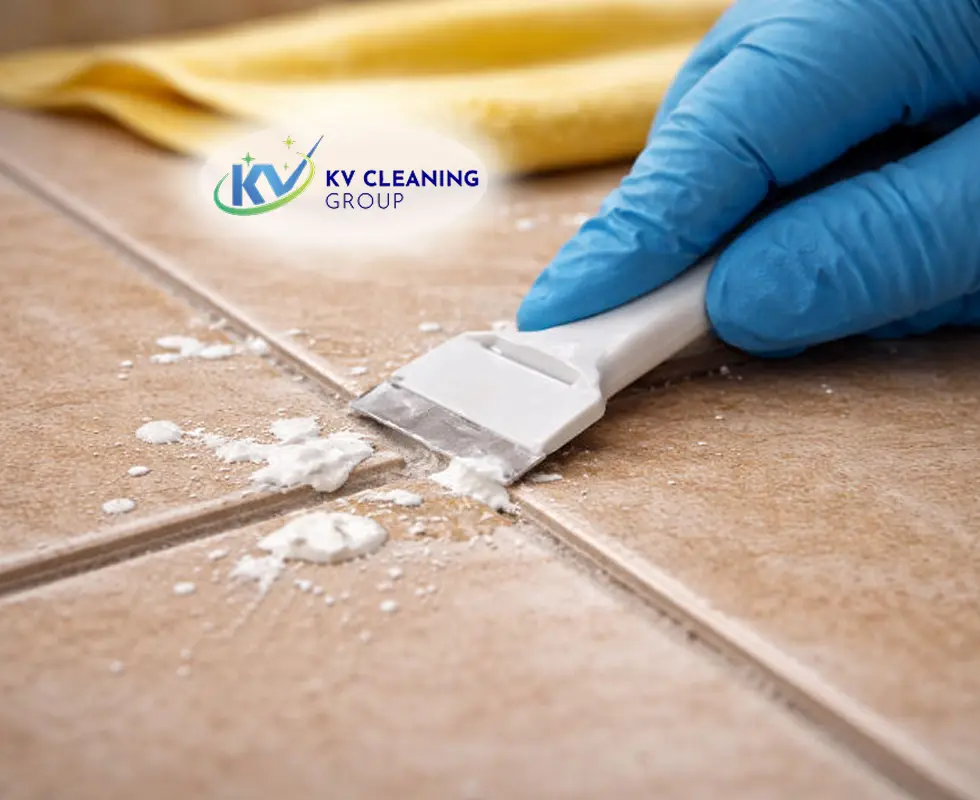
- The Fix: Windows should be the absolute final element of the cleaning schedule. Use plastic tools to remove stickers, never metal blades.
7. Missing the "Hidden" Zones
- The Mistake: Ignoring top-shelf ledges, inside cabinets, and behind appliances.
- The Risk: When you finally open a cupboard, a cloud of dust falls out—this is unacceptable for a final handover.
- The Fix: Conduct a "white-glove test" as part of the final inspection on high-up ledges and inside all drawers.
8. Poor Chemical Management
- The Mistake: Using caustic or overly acidic cleaners on new finishes.
- The Risk: New surfaces (like natural stone or sensitive metal) can be etched or discoloured permanently.
- The Fix: Require the contractor to present a chemical matrix that lists every product they plan to use and its compatibility with the site’s specific finishes.
9. Lack of Verification
- The Mistake: Assuming the site is clean because "it looks shiny."
- The Risk: Fine construction dust is often invisible until you place an object on it.
- The Fix: Implement objective verification, such as tape tests on surfaces or third-party dust sampling for large-scale projects.
10. Choosing Based Solely on Price
- The Mistake: Selecting the lowest tender.
- The Risk: The lowest price almost always comes at the expense of proper safety gear, professional equipment, and the time required for a high-quality outcome.
- The Fix: Evaluate tenders based on safety documentation (SWMS), quality assurance systems, and past project experience.
Compliance, WHS, and Risk Management
Managing a post-construction site in Sydney requires adherence to strict WHS standards:
- Safe Work Australia: You must ensure that your cleaning contractor operates under a robust safety framework. They are required to have up-to-date Safe Work Method Statements (SWMS) for every task.
- Hazard Identification: The contractor must perform a site-specific risk assessment to identify hidden hazards, such as exposed electrical cables or legacy lead-based paint dust.
- Contractor Management: As the facility manager, you are responsible for the contractor's performance. Keep clear documentation of their training, insurance certificates, and site-specific inductions.
Quality Assurance: How to Build a Fail-Safe System
- KPI Monitoring: Establish clear KPIs, such as "zero dust residue" on identified high-ledges.
- Supervisor Reviews: Require a dedicated site supervisor from the cleaning company to conduct a walkthrough with you before the team leaves.
- Corrective Action Procedures: If a site fails inspection, it should be mandated that the contractor returns to rectify issues within 24 hours at no additional cost.
Sydney-Based Case Study: Operational Recovery
Client: A multi-level office fit-out in Blacktown.
The Challenge: The project was hours away from handover, but the client noticed fine dust coating the new workstations and flickering lights caused by duct dust.
Findings: The original cleaning sub-contractor used standard household vacuums that vented dust into the room and ignored the ventilation grilles entirely.
Corrective Actions: We were brought in for an emergency "Final Touch-up." We deployed HEPA-vacuums, deep-cleaned the HVAC grilles, and wet-wiped every surface.
Operational Outcomes: The building passed its final client inspection, and the project manager was able to meet the handover deadline, avoiding significant financial penalties.
Expert Recommendations from KV Cleaning
Warning Signs Your Cleaning Program is Failing
- You see "streaks" on the windows after the first rain.
- Your cleaning crew is not wearing appropriate PPE for dust removal.
- There is no documentation or logbook verifying the phases of the clean.
Author’s Pro Tip
Use the "Tape Test." Before releasing final payment to your builders-clean contractor, walk through the site with a roll of clear adhesive tape. Touch it to tops of door frames, window sills, and the insides of cabinets. If the tape comes back covered in dust, the job is not complete.
Partner with KV Cleaning
Professional post-construction cleaning is the final, critical step in your project’s success. At KV Cleaning, we provide end-to-end Commercial Cleaning, Deep Cleaning, and Construction Site Cleanup services across the Greater Sydney Region, tailored to the strict requirements of handover-ready sites.
Ready to ensure a flawless site handover?
Request your:
- Free Site Assessment
- Workplace Hygiene Review
- Custom Compliance-Focused Cleaning Proposal
Let us help you protect your project's reputation through superior, industrial-standard post-construction cleaning.
Get Free Quote
Frequently Asked Questions
The focus is on safety, particularly the management of silica dust, and delivering a "handover-ready" space that meets all architectural specifications.