

Best Tips for Warehouse Cleaning Services Safety
In the fast-paced world of logistics and distribution, the operational integrity of your facility is everything. From the vast distribution hubs in Western Sydney to the specialized storage units in the Inner West, a warehouse is a high-traffic environment where small hazards can quickly escalate into major safety incidents. Prioritizing Warehouse Cleaning Services in Sydney is not merely an aesthetic choice—it is a foundational element of risk management, regulatory compliance, and overall workplace safety.
Summary:
Effective warehouse hygiene is a critical pillar of workplace safety and operational efficiency. This guide details essential cleaning strategies, compliance documentation, and risk mitigation techniques for facility managers. By adopting structured maintenance schedules and professional cleaning solutions, businesses can prevent workplace accidents, ensure regulatory compliance, and create a safer, more productive environment for their workforce.
Why Professional Warehouse Hygiene Matters
From our experience managing complex commercial cleaning projects, we have observed that many businesses struggle to maintain consistent hygiene standards amidst the unrelenting demands of supply chain operations. According to Safe Work Australia data, slips, trips, and falls remain among the leading causes of workplace injuries. Poor housekeeping is consistently identified as a primary contributor to these hazards.
Professional Industrial Warehouse Cleaning goes beyond simple aesthetics; it provides the structured methodology required to identify and mitigate risks before they cause downtime. When businesses implement a structured cleaning schedule, they often experience improved operational efficiency, reduced equipment wear, and, most importantly, a safer environment for their employees.
The Vital Connection Between Cleaning and Safety
In a warehouse, cleanliness is safety. When you maintain a clean facility, you are directly investing in:
- Risk Reduction: Removing debris, oil spills, and packaging waste from aisles and loading docks eliminates the most common causes of forklift accidents and pedestrian slips.
- Regulatory Compliance: Navigating Australia’s stringent health and safety standards is easier with documented cleaning logs and verified hygiene protocols, ensuring your facility is always "audit-ready."
- Asset Longevity: Consistent cleaning, especially of warehouse floors, prevents the buildup of abrasive grit that can damage concrete finishes and reduces the need for expensive surface repairs.
- Operational Productivity: A clean, organized warehouse allows for faster inventory movement, clearer signage visibility, and reduced time wasted navigating around clutter.
Best Practices for Warehouse Cleaning Safety
To move your facility from reactive maintenance to a proactive safety culture, consider these expert recommendations:
1. Optimize Your Cleaning Schedule
A "clean-as-you-go" policy is essential, but it must be supported by structured routines.
- Daily: Immediate spill management, waste removal, and clearing of high-traffic pedestrian zones and loading docks.
- Weekly: Sanitising shared breakrooms and amenities, clearing debris from racking, and conducting visual safety inspections.
- Monthly: Deep cleaning of flooring using auto-scrubbers, removing dust from high-level rafters, and performing a comprehensive review of waste management areas.
2. Prioritize High-Risk Zones
In cities like Parramatta or Blacktown, where industrial facilities are busy, prioritize these zones for safety:
- Loading Docks: Ensure these areas are free of loose pallet fragments, stretch wrap, and liquid spills.
- High-Level Racking: Dust accumulation here isn't just an air quality issue; it's a potential fire hazard. Ensure periodic cleaning of ceilings, ventilation ducts, and top-tier shelves.
- Forklift Corridors: Keep these paths clear and marked with high-visibility floor tape, ensuring that floor scrubbing doesn't leave slippery residue.
3. Documentation and Staff Training
Compliance is about proof. Maintain rigorous cleaning logs that detail what was cleaned, when, and by whom. Train your staff—or your chosen Cleaning Contractors—on hazard identification, the proper use of Personal Protective Equipment (PPE), and the handling of industrial-grade cleaning agents.
Common Cleaning Mistakes to Avoid
- Ignoring Ventilation: Dust-filled air can exacerbate respiratory issues for staff. Ensure your Facility Maintenance plan includes regular cleaning of air intake systems and HVAC vents.
- Using Improper Equipment: Applying standard office-cleaning tools to a warehouse will fail. Use industrial-grade machines that can handle the heavy-duty grit and oil typically found in logistics centers.
- "Set and Forget" Mentality: Hygiene requirements change with seasons and inventory spikes. Regularly revisit your cleaning audit performance to adjust your tactics.
Trends in Industrial Warehouse Cleaning
In 2026, we are seeing a shift toward "intelligent" hygiene management across the Greater Sydney Region. This includes:
- Data-Backed Audits: Using foot-traffic data to determine exactly when a floor scrub is needed, minimizing downtime.
- Green Industrial Hygiene: A growing demand for non-toxic, hospital-grade sanitisers that keep surfaces clean without introducing harsh chemicals into the warehouse air.
- Integrated Building Maintenance: Many businesses now prefer a single provider to manage cleaning, pest control, and minor facility repairs for streamlined accountability.
Conclusion: Partner with KV Cleaning
A well-maintained warehouse is the foundation of a reliable supply chain. By prioritizing systematic hygiene, you protect your assets, ensure the safety of your team, and demonstrate a commitment to excellence that defines top-tier Australian businesses. Whether you are operating in Liverpool, North Sydney, or across the Greater Sydney region, you need a partner who understands the complexities of industrial environments.
KV Cleaning specializes in:
- Comprehensive Commercial Cleaning Services
- Professional Warehouse Cleaning Services in Sydney
- Deep Cleaning and Sanitisation Services
- Facility Maintenance and Workplace Hygiene Solutions
Take control of your facility's safety and operational standards today. Contact KV Cleaning for a professional cleaning consultation and let us help you maintain a cleaner, safer, and more efficient warehouse.
Get Free Quote
Recent Posts
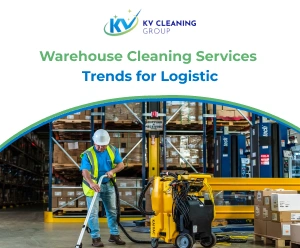
Warehouse Cleaning Services Trends for Logistics
Carpet Cleaning Services Trends for Businesses

Restaurant Cleaning Services Trends in Brisbane
Frequently Asked Questions
Professional services minimize slip-and-fall hazards through structured spill management, reduce fire risks by clearing combustible dust from racking, and enhance operational safety by keeping aisles and loading docks clear of obstructions.
You should maintain detailed cleaning logs, records of completed deep-cleaning tasks, and safety certifications for any chemicals used. These records are vital during safety inspections and for insurance purposes.
Warehouse floors are subjected to heavy loads and machinery. Regular scrubbing maintains the anti-slip texture of the floor and prevents the buildup of grit that can damage concrete or synthetic flooring, extending the life of your facility assets.
While daily maintenance is crucial, most logistics facilities benefit from a thorough monthly deep clean of all racking, floor surfaces, and high-level structure to ensure long-term compliance and safety.
Yes. A clean, organized warehouse reduces the time spent navigating clutter, minimizes equipment breakdowns caused by debris, and boosts staff morale, all of which contribute to higher throughput and operational efficiency.
