
Best Ways to Keep Kids Rooms Clean
Introduction
Keeping kids’ rooms clean is one of the biggest challenges for Australian families. Whether you live in a busy Sydney suburb, a family home in Melbourne, or a coastal town in Queensland, children’s rooms quickly fill with toys, clothes, books, school items and random objects. Kids are energetic, creative and always moving — which is wonderful — but it often means their rooms become messy within minutes. A clean and organised kids’ room is important not just for appearance but also for health, safety and better daily routines. When the space is tidy, kids sleep better, focus better and feel more relaxed. This blog explores the best ways to keep kids’ rooms clean, using practical tips that work for modern Australian families.
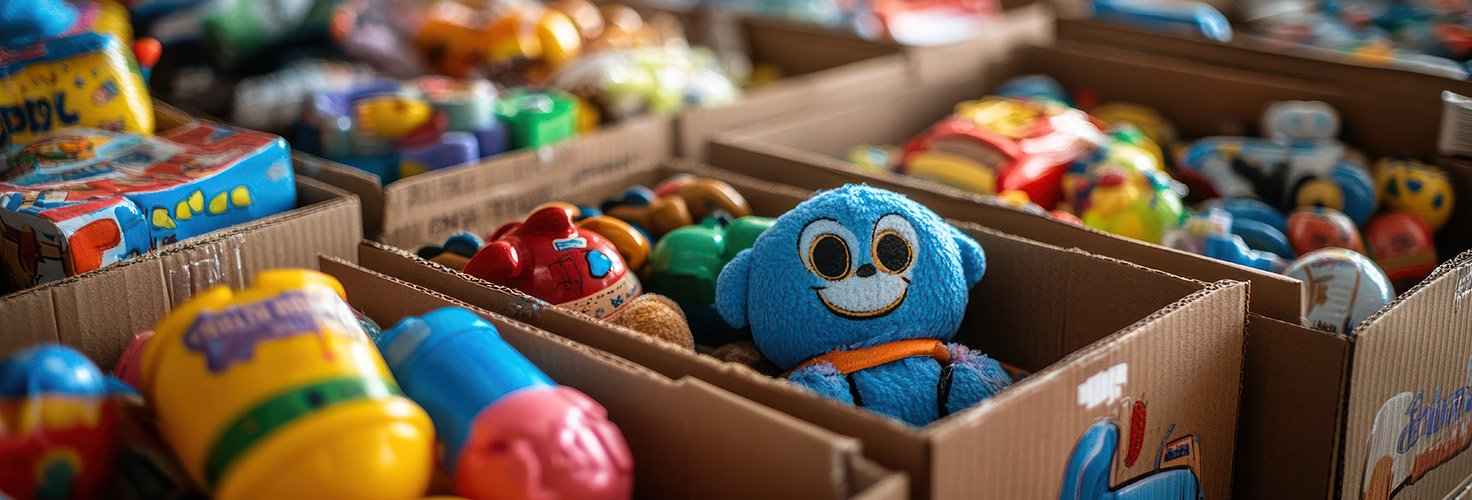
- Start With a Simple Declutter
Kids’ rooms get messy fast because they often have more items than they can manage.
Decluttering is the first step to keeping the space under control.
Declutter by category:
• Toys
• Clothes
• Books
• Art supplies
• School items
• Sports gear
A useful trick is the “Four Box Method”: keep, donate, throw, store.
This helps parents and kids work together without feeling overwhelmed.
Sydney families in small apartments or townhouses find this method especially helpful because floor space is limited and clutter becomes visible quickly.
- Use Storage That Kids Can Reach
Many parents make the mistake of storing items too high, which leads kids to leave things on the ground because they cannot reach the right spot.
Use child-friendly storage options such as:
• Open shelves
• Low baskets
• Plastic tubs
• Colour coded boxes
• Under-bed storage
• Soft fabric bins
• Drawer organisers
When storage is easy to access, kids are far more likely to put things away on their own.
Australian families often choose lightweight storage options because they are safe and suitable for young children.
- Label Everything
Labels help kids understand where items belong.
It removes confusion and encourages independence.
You can label:
• Toy bins
• Bookshelves
• Clothing drawers
• Art supply boxes
• Game containers
For younger kids who cannot read yet, visual labels or pictures work well.
Labels transform messy bedrooms into organised children’s spaces, making daily cleaning much simpler.
- Create a “Daily 5 Minute Clean” Routine
Kids respond well to short, clear expectations.
A daily five minute clean teaches responsibility without becoming a burden.
Set a timer and encourage your child to:
• Put toys back in baskets
• Place dirty clothes in the laundry
• Arrange pillows and blankets
• Put books back on shelves
• Clear the floor
Australian parents often use fun ideas like music, racing games or rewards to make daily cleaning enjoyable instead of stressful.
- Rotate Toys Instead of Keeping Everything Out
Kids get overwhelmed when they have too many toys out at once.
Rotating toys keeps them excited while reducing mess.
Here’s how it works:
• Keep one set of toys available
• Store the rest in boxes
• Rotate every 2–4 weeks
This hack reduces clutter, increases creativity and makes cleaning much easier.
Many Sydney families use toy rotation to manage limited space in apartments or shared bedrooms.
- Use Beds With Built-In Storage
Kids’ furniture plays a major role in keeping their rooms tidy.
Beds with drawers, shelves or built-in storage are ideal for small or busy households.
Under-bed storage can hold:
• Seasonal clothes
• Extra toys
• Blankets
• Sports items
• School supplies
This helps maximise space — something Australian families value highly, especially in metro areas.
- Keep Clothes Organised With a Simple System
A messy wardrobe quickly spreads chaos through a child’s entire room.
Use a simple clothing system such as:
• Everyday clothes in top drawers
• School uniforms in a dedicated section
• Seasonal clothes in boxes
• Laundry basket clearly placed
• Hooks for jackets or hats
Teach kids where things go and keep it consistent.
This reduces morning stress and keeps rooms organised.
- Create Zones Within the Room
Kids use their rooms for multiple activities, so dividing the room into zones helps maintain order.
Common zones include:
• Reading corner
• Play area
• Homework desk
• Sleeping area
• Clothes storage zone
Australian families with multiple children often use zones to reduce arguments and keep shared rooms organised.
- Keep Surfaces Clear
Kids’ rooms look messy quickly when surfaces like desks and bedside tables are full of items.
Follow the “Clear Surface Rule”:
• Only essential items stay out
• Everything else gets stored
Clear surfaces improve focus and make cleaning easier.
This rule is especially useful during school terms when kids need tidy spaces to study.
- Make Cleaning Fun and Rewarding
Kids respond better to cleaning when it’s enjoyable.
Try:
• Music cleaning sessions
• Timer challenges
• Sticker charts
• Colour sorting games
• Weekly “room reset” celebrations
Positive reinforcement builds lasting habits.
Australian parents often find that fun routines work better than strict instructions.
Conclusion
Keeping kids’ rooms clean doesn’t have to feel overwhelming. With smart storage, daily routines, toy rotation, clear labels and simple cleaning habits, you can maintain a tidy, organised and healthy space for your children. These strategies help reduce stress, improve sleep, boost creativity and support better routines for families across Australia. Clean, well organised kids’ rooms benefit both children and parents, creating a more peaceful and enjoyable home environment.
For larger cleaning needs beyond homes — including industrial sites, commercial buildings, schools and hospitality venues — KV Cleaning Sydney delivers dependable, professional cleaning services across multiple specialised sectors.

